
Okay, let’s cut through the noise. You’ve heard about AI changing work, but what’s actually happening? I’ll tell you straight: it’s not about robots stealing jobs. It’s about real people—like you and me—suddenly getting hours back in their day. Think about that report you dread every Monday. Or those customer emails eating your afternoon. AI’s fixing that right now.
Flashback to 2010: “AI” meant those cringy chatbots that replied “I DID NOT UNDERSTAND. PLEASE REPHRASE” to everything. Ugh. But today? Night and day. We’ve gone from dumb automation (like moving data between spreadsheets) to systems that learn. Seriously—they notice patterns, adapt, and even call out mistakes. How? Thanks to three game-changers working together:
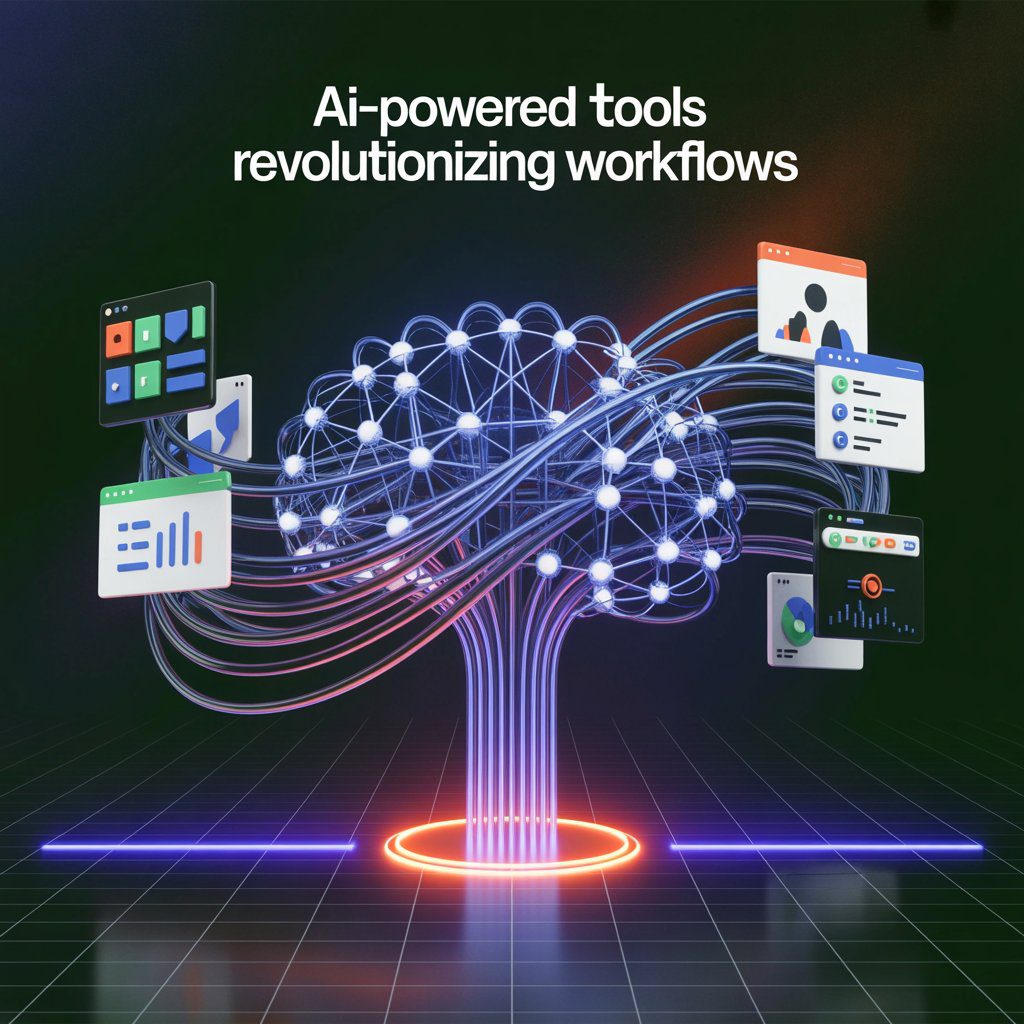
Here’s the truth: nobody joined marketing or engineering to copy-paste data. Yet that’s what drains 40% of our time. Enter AI. Tools like Trello? They now predict delays. Asana spots resource gaps before you do. And Notion—yep, it’ll nag you about deadlines like a proactive assistant. But the real heroes? UiPath and Microsoft Power Automate. A buddy in finance told me: “We automated vendor payments. Saved 200 hours/month. Now we actually analyze cash flow instead of just logging it.”
Writer’s block? AI just murdered it. I watched a colleague use ChatGPT to draft a client proposal—in 90 seconds. Then she spent 30 minutes adding her flair (the jokes, the client’s inside references). That’s the magic: AI does the heavy lifting; you add the soul. Designers win too. Canva’s AI suggests layouts that don’t suck. Adobe Firefly tweaks images with commands like “make it moody, less corporate.” Video folks? Runway ML cuts clips based on your words. One YouTuber told me: “I say ‘highlight the espresso shots,’ and bam—it finds every coffee close-up in 50GB of footage.”
Gut feelings are risky. Data doesn’t lie. Tools like Tableau and Power BI spot trends even your sharpest analyst misses. Example: A bakery chain noticed “When rain hits 0.5 inches before noon, croissant sales spike 300% in downtown stores.” So they prepped extra dough on rainy mornings. Genius? No—just AI connecting dots humans overlooked. CRMs like Salesforce Einstein? They track client vibes. If a customer’s emails get terse or they skip meetings, it pings you: “Reach out—they’re cooling off.”
Generic service feels like talking to a brick wall. AI changes that. Chatbots (think Drift or ChatGPT) solve real problems. My aunt’s online store uses one for returns. It handles 80% of requests instantly—no human needed. Voice assistants? Alexa now gets messy requests like “Play my workout mix… wait, skip track 4, it’s too slow.” No more screaming “PLAY ‘PUMP UP THE JAM’” at your speaker.
Remote work isn’t going anywhere. AI makes it less chaotic. Otter.ai transcribes meetings live—and highlights key decisions in yellow. Fireflies.ai flags when someone sounds hesitant: “Note: Carlos paused when discussing budget.” Global teams? DeepL translates Japanese contracts so accurately, my lawyer friend says: “It’s like having a bilingual twin.”
Coding used to be lonely. Now it’s like pair programming with a savant. GitHub Copilot suggests code as you type—and honestly? It’s annoyingly good. One dev admitted: “I fought its suggestion for 10 minutes… then realized it was right.” Testing tools like Testim hunt bugs automatically. Imagine your app crashing 70% less because AI stress-tested it overnight.
Look, it’s not perfect. Three big headaches:
Buckle up. What’s coming will blow your mind:
This isn’t about machines replacing us. It’s about freeing humans to do human things—strategize, create, connect. AI handles the sludge. Teams using AI-powered tools work fewer hours, make fewer errors, and actually enjoy Mondays. The rest? Drowning in spreadsheets. Your move.