
Three weeks back, my kid asked me why our car makes noise. She’s seven. Never rode in anything but electric cars from those ride apps. To her, regular cars sound broken.
That question messed with my head for days. Because yeah—the future of transportation in 2026 isn’t some distant thing we’re waiting for. My daughter’s already living in it. She thinks gas engines sound wrong.
I’ve spent the last eight months researching transportation trends 2026 for work, talking to engineers, city planners, startup founders. Half of them sound crazy until you see what they’ve built. Then you’re standing there watching a truck drive itself down the freeway, and suddenly crazy becomes normal.
Nobody prepared me for how fast this stuff would show up. Last April, my company moved offices. New building, new commute. I mapped it out—figured I’d drive, same as always.
My coworker laughed at me. “Dude, just take the train to 5th, grab a scooter to Broadway, walk the last block. Takes 20 minutes, costs three bucks, you can work on your phone the whole time.”
He was right. I haven’t driven to work since May.
That’s what the 2026 transportation industry outlook misses when it focuses on technology. The real shift? People are just… doing transportation differently now. Not because anyone forced them. Because it works better.
Companies are freaking out trying to catch up. Last month at AsappStudio, we had six different clients asking for mobile apps that connect to next-gen transportation 2026 systems. Two were logistics companies, one was a city transit department, three were startups building stuff I can’t even talk about yet.
Everyone’s scrambling because the 2026 transit innovations aren’t coming—they’re here, and if your business touches transportation in any way, you’re either adapting right now or you’re toast.
My dad still sends me articles about how electric vehicles will never work. Range anxiety. Charging times. Grid capacity. All the usual stuff.
Meanwhile, my mail carrier drives an electric van. The school buses in our district? All electric. Construction crew working on my street? Electric pickup truck with tools plugged into the bed’s power outlets.
Electric mobility won the argument by just working. Nobody cares about the debate anymore because the economics are obvious. Guy I know runs a small delivery business—switched to electric vans last year. His fuel costs dropped 65%. Maintenance went down so much he let his mechanic go part-time. Insurance is cheaper. The vans are quieter, so he can do early morning deliveries without noise complaints.
You can’t argue with margins like that.
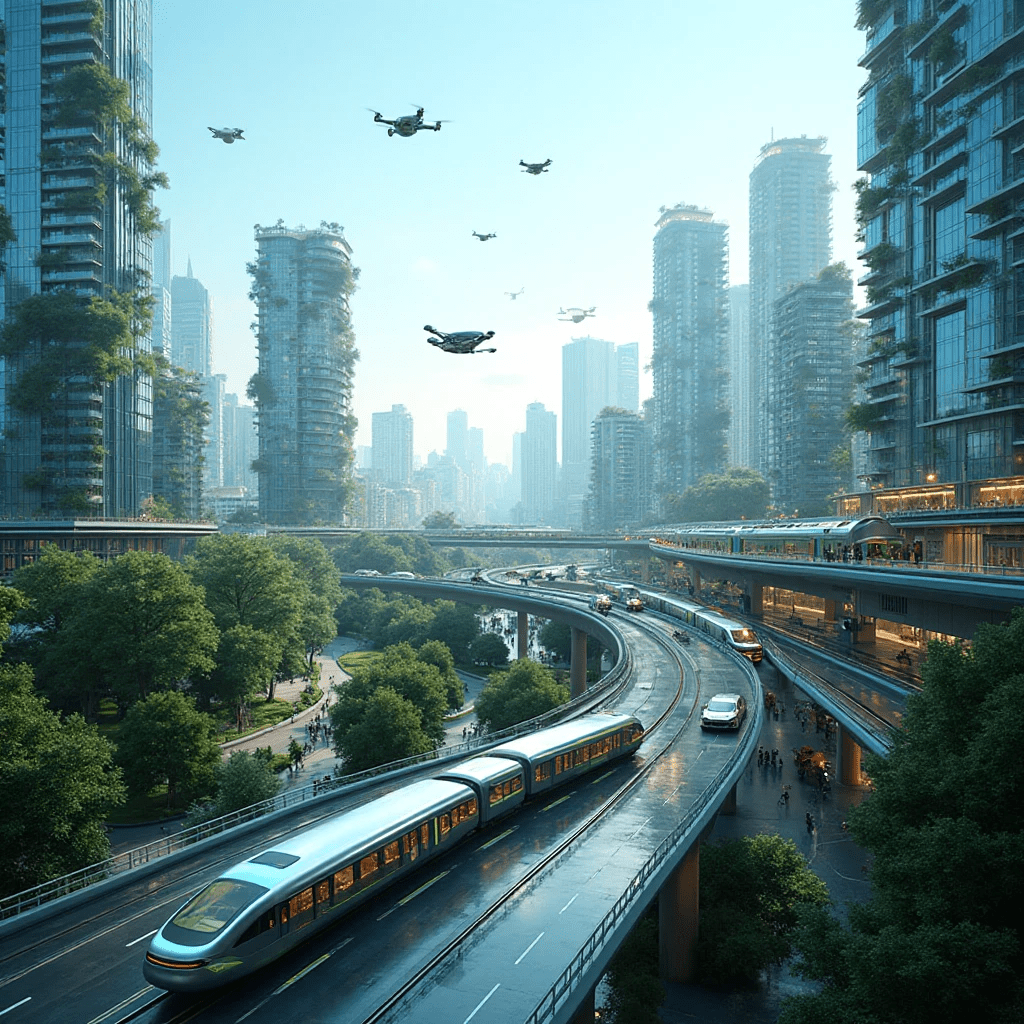
The electric vehicles everywhere now aren’t just cars either. Last time I went downtown, I counted 23 different ways people were moving around electrically. Scooters, bikes, skateboards, those weird single-wheel things, delivery bots rolling down the sidewalk, buses, trucks, cars. The whole transportation ecosystem flipped to electric while we were busy debating whether it was possible.
Charging infrastructure caught up too. My gym has chargers. The mall has chargers. Grocery store, Target, even the drive-through coffee place—everyone’s got chargers now. Some of the new fast chargers add 200 miles in the time it takes me to grab coffee and use the bathroom. Faster than getting gas if I’m being honest, because I’m not breathing in fumes while I wait.
Cities rebuilt their future transport 2026 infrastructure faster than anyone thought possible. Parking garages ripped out gas pumps, installed charging stations. Some places give you free parking if you’re charging. Free parking in downtown areas. That’s how much cities want electric vehicles.
Our development team at AsappStudio built charging network apps, fleet management systems for electric delivery companies, IoT solutions that optimize when commercial vehicles charge based on electricity prices. This market exploded. Six months ago, we had one client in this space. Now it’s a third of our projects.
My aunt visited from Ohio last month. Took her to dinner in the city. We ordered a ride, car showed up, no driver. She completely lost it. “Where’s the driver? Is this safe? What if something happens?”
Twenty minutes later, smoothest ride she’d ever had. By the end of the trip, she was asking how to download the app in Cleveland.
Autonomous vehicles are only weird until you try them. Then they’re just… transportation. Often better than having a human driver who’s distracted or aggressive or doesn’t know where they’re going.
Self-driving cars run commercially in at least a dozen cities now. Phoenix has had them for years. San Francisco, LA, Austin, Miami—they’re everywhere. Not test programs. Not demos. Regular service you call up like any other ride.
The bigger story is driverless trucks though. Nobody talks about it because it’s not flashy, but driverless semi trucks are transforming freight right now. Friend works logistics for a big distributor—half their long-haul routes are autonomous. Truck handles the boring highway driving, human takes over for complex city stuff.
Makes sense when you think about it. Highway driving is easier. Fewer surprises. Clear lane markings. Limited access points. Perfect for computers.
These autonomous vehicles aren’t perfect yet. They’re geofenced—only work in mapped areas. Weather can throw them off. Construction zones are tricky. But within their limits? They work. And those limits expand every few months.
The transportation in 2030 everyone writes about? Big chunks of it are operational today. My daughter’s generation won’t find self-driving cars impressive because they’ve never known anything else.
We’ve been building software at AsappStudio that supports autonomous systems—predictive maintenance platforms, route optimization tools, AI-powered analytics for fleet management. These vehicles generate massive amounts of data. Someone’s gotta process it, analyze it, turn it into useful information. That’s where we come in.
Used to be, getting across town without a car meant chaos. Check the bus schedule. Figure out if you need exact change or if they take cards. Download three different apps for different services. Hope the timing works out. Probably just drive instead.
Now? One app. Type where you’re going. It figures out the best combination of train, bus, scooter, whatever. One payment. One trip. Done.
Multimodal transportation sounds like corporate speak until it saves you 40 minutes and twelve dollars on your commute. Then it’s just smart.
Mobility-as-a-service (MaaS) is basically that. Instead of you figuring out how to piece together a trip across four different transportation systems, the app does it. Compares options. Shows you the fastest way, cheapest way, most convenient way. Books everything. Handles payment. You just follow the directions.
My brother lives in Denver. They launched a MaaS system there last fall. He sold his car in January. Not because he’s an environmentalist or trying to make a statement. Because between the MaaS app and occasionally renting a car for weekend trips, he’s saving like $400 a month compared to car payments, insurance, parking, and gas.
The future of mobility 2026 is less about what vehicles exist and more about how we access them. Shared mobility makes way more sense than everyone owning a car that sits parked 95% of the time. Especially when on-demand transport services can get you most places faster and cheaper than driving yourself.
Barcelona’s system learns your patterns. After a couple weeks, it starts making suggestions you didn’t think of. Shortcuts through neighborhoods. Times when certain options are faster. Even weather-based recommendations—suggests the subway over bike-share when it’s about to rain.
At AsappStudio, we build these platforms for transportation companies. The tech challenge isn’t just connecting different systems—it’s making the experience so smooth people forget they’re switching between buses, trains, and scooters. Our cross-platform development experience means these apps work identically on any phone, which matters when you’re trying to change how people move around cities.
One janky experience and people go back to driving. It’s gotta work perfectly.
Real talk—most people going electric aren’t doing it to save polar bears. They’re doing it because it’s cheaper and easier.
Met a guy who owns a small delivery company. Asked him about sustainability goals, environmental mission statements, all that. He looked at me like I was stupid.
“I switched to electric because fuel costs were killing me. Maintenance was brutal. My insurance was insane. Now my costs are cut almost in half, my drivers prefer the electric vans, and I can bid lower on contracts because my operating costs dropped. I’d love to say I’m saving the planet, but really I’m just saving money.”
That’s the actual story of sustainable transport. Zero-emission transport is winning because economics flipped. Green transport became the cheaper option.
Cities helped by making it expensive NOT to go electric. London charges you £12.50 just to drive a gas car into certain zones. Every day. That’s like $15 daily to drive your own car in your own city. Amsterdam’s banning all gas and diesel vehicles from downtown by 2030. These aren’t suggestions.
Logistics and freight transport trends 2026 show this at massive scale. Amazon ordered something like 100,000 electric delivery vans. DHL’s electrifying everything. UPS testing electric trucks everywhere. These are billion-dollar decisions. Nobody’s doing that for PR. They’re doing it because the math works.
Transport infrastructure getting rebuilt with sustainability built in from the start. Parking garages with solar panels powering the chargers. Wind turbines at highway rest stops. Denmark’s testing roads that charge electric cars while they drive—wireless charging built into the pavement. Never have to stop to charge if the road powers your car.
City transit agencies switching to electric buses because they’re 30% cheaper to operate and maintenance costs half as much. When you’re running on tight budgets, those numbers are impossible to ignore.
Traffic lights in my city used to run on fixed timers. Didn’t matter if traffic was backed up for blocks. Didn’t matter if the cross street was empty. Lights changed on schedule like clockwork.
Now they watch traffic in real-time and adjust. Drive down Main Street at the right speed, you hit all green lights. System creates “green waves” that keep traffic flowing.
Smart transportation isn’t about fancy tech for tech’s sake. It’s about cities that actually respond to what’s happening instead of following some plan written 20 years ago.
Digital transport infrastructure connects everything. Traffic sensors talk to traffic lights. Parking meters talk to apps on your phone. Transit vehicles talk to passenger information displays. Everything shares data, and the system optimizes itself continuously.
Singapore does something wild with smart transportation—every vehicle entering downtown gets tracked. System analyzes traffic in real-time and adjusts tolls every few minutes. If traffic’s light, tolls are cheap. Getting crowded? Price goes up to discourage more cars. Congestion dropped 45%. Just from making prices respond to actual conditions.
Transport technology innovations like this sound complicated but they’re pretty straightforward—use real data instead of guessing. Adjust in real-time instead of following fixed schedules. Actually solve problems instead of following procedures.
AI in transit is everywhere now. Subway systems predict when trains need maintenance before anything breaks. Bus routes optimize based on actual ridership instead of where planners think people should go. Ride-share services position drivers where demand’s about to spike.
Chicago’s transit system has AI analyzing sensor data from all their trains. Predicts 75% of failures before they cause problems. That’s thousands of prevented delays affecting millions of people. Sounds boring until you realize your commute just got way more reliable.
Predictive maintenance in transit systems means fewer breakdowns, lower costs, safer rides. Equipment gets serviced during off-peak hours instead of breaking during rush hour. Efficiency goes up, costs go down, riders are happier.
At AsappStudio, we build this stuff—custom software that processes sensor data, spots patterns, alerts maintenance crews before things break. ERP systems that help fleet managers optimize vehicles across entire cities. Software that turns data into decisions.
Most American cities have terrible public transit. Slow, unreliable, uncomfortable. Taking the bus felt like punishment compared to driving.
But the public transit future looks totally different now, and it’s because of tech improvements that actually matter to riders.
Was in Copenhagen last summer. Their transit app showed real-time locations of every bus and train. Not estimates. Actual positions. Accurate within like 30 seconds. Could see exactly how crowded each train car was before it arrived. System sent alerts if my usual route had delays and suggested alternatives before I even left.
AI in transit personalizing the experience. System learns where you go, when you go, which routes you take. Starts proactively suggesting options you didn’t know about.
The 2026 transit innovations include contactless payment—just tap your phone or card and go. No tickets, no exact change, no monthly passes. Just tap and board. London’s had this forever. American cities finally catching up.
Some places doing on-demand on-demand transport services as part of public transit. Instead of fixed bus routes in sprawling areas where nobody rides, they run flexible shuttles that come when you request them. Like Uber but subsidized by the city and integrated with trains and regular buses.
Arlington, Texas had zero public transit for years. Launched an on-demand system that’s actually working. People like it because it shows up when and where they need it. City likes it because it’s cheaper than running empty buses on routes nobody uses.
This is where transportation in 2030 gets interesting—public transit stops being the option you settle for when you can’t afford to drive. It becomes the smart choice because it’s faster, cheaper, easier, and more convenient.
I laughed at flying taxi concepts for years. Sounded like vaporware. Like jetpacks—always five years away, never actually arriving.
Then I watched footage of regular people taking commercial flights in EHang’s air taxi drone in China. Not demos. Not test flights. Regular operations. People booking through an app, boarding autonomous flying vehicles, taking trips that skip traffic entirely.
Multiple companies got regulatory approval to start commercial drone taxi operations in 2025-2026. Joby’s launching in New York and LA. Archer’s doing Miami and Chicago. Lilium’s working with cities across Europe.
These aren’t the “flying cars” from old magazines. They’re electric vertical takeoff aircraft—quiet electric helicopters optimized for short city hops. Flying truck versions for cargo work the same way.
Practical use case is airport trips. Downtown to airport by car in traffic? 90 minutes of rage. By flying taxi? 15 minutes of smooth flying over the mess. Pricing’s comparable to premium rides. Should get cheaper as more vehicles operate.
Cargo applications might be bigger. Drone taxi services for packages instead of people. Deliveries arrive by air to designated zones. No trucks fighting traffic. No double-parking. Faster, cheaper, zero street congestion.
The software needed to make this safe is incredibly complex—air traffic management, weather monitoring, battery optimization, emergency landing site selection. At AsappStudio, we’re seeing companies look for developers who can build reliable mobile apps and IoT systems for these new transportation systems. Safety-critical stuff. Can’t have bugs.
Will everyone fly to work in 2026? No. But will flying taxis operate commercially in major cities, providing real service to real customers? Yeah. That’s happening right now.
First transportation conference I attended was 2022. Felt like science fiction. Everyone talking about tech that seemed impossible. Autonomous vehicles decades away. Flying taxis fantasy. Zero-emission transport maybe someday.
The transportation conferences 2025 circuit this year? Totally different vibe. Nobody’s speculating. They’re troubleshooting. Comparing notes on what worked. Fixing operational problems on systems already running.
International Transport Forum 2025 had government ministers discussing how to regulate technologies that already exist. Transport Research Arena 2026 focused on breakthroughs that’ll be commercial in two years, not 20.
Transportation planning conferences 2025 are where cities figure out how to actually implement this stuff with real budgets and real political constraints. Not theoretical. Practical.
Went to transportation week 2025 in Seattle last month. They had autonomous shuttles running continuously around the venue. Not as a demo. As actual transportation. Twenty people per shuttle, running all day, zero problems. That’s the shift—from “look at this” to “this is how things work now.”
If you’re in this industry or just interested in future transportation needs, these transportation conferences 2025 and transport conference 2026 events show you the future forming in real-time. Also great networking if you’re getting into this space.
Future transportation technology 2050 sounds wild but it’s logical extensions of stuff already working.
Future transportation MDPI research looks at hyperloop connecting LA to San Francisco in 30 minutes. Underground tunnel networks for autonomous vehicles bypassing surface streets entirely—Boring Company’s testing this in Vegas now. Personal air vehicles that work like cars but fly.
Future transportation 2030 picture includes almost complete urban vehicle electrification, widespread highway autonomous operations, comprehensive MaaS platforms in most major cities making car ownership optional.
Future transportation 2050 vision has near-total electrification, pervasive autonomous operations, seamless air and ground integration, near-zero transportation emissions. Future transportation system 2050 might include stuff we can barely imagine—magnetic levitation roads, AI scheduling that optimizes your entire day including travel, transportation so cheap and convenient that car ownership becomes rare.
But it’s all being built today. Future of transportation isn’t distant. It’s deploying incrementally, city by city, right now. Transportation 2025 is the foundation for everything coming in transportation in 2030 and beyond.
Every advancement in future of transportation technology depends on software. Great software. Reliable, tested, safety-critical code that has to work perfectly every time because lives depend on it.
Autonomous vehicles are data centers on wheels. Cameras, radar, lidar, GPS, sensors everywhere generating gigabytes per second. That data gets processed in real-time by AI making split-second decisions. One bug could kill someone.
MaaS platforms integrate dozens of transportation providers, each with different APIs, payment systems, data formats. Making that seamless requires sophisticated backends and carefully designed interfaces.
Smart transportation infrastructure collects data from thousands of sensors, processes it instantly, pushes updates to millions of phones without lag. Future of AI in transportation isn’t just self-driving—it’s making entire cities responsive to changing conditions.
At AsappStudio, this is what we do. Build software infrastructure for next-generation transportation. Custom development for fleet management, mobile apps for MaaS platforms, AI integration for predictive maintenance.
We’ve worked with logistics companies optimizing delivery networks, transit authorities building rider apps, startups creating new mobility services. Our case studies show actual products we’ve shipped.
If you’re building transportation tech—and if you’re in any adjacent industry, you probably should be—working with developers who understand this space matters. Technical requirements are different. Safety standards are stricter. User expectations are higher. We get it because we’ve been doing it for years.
Future of transportation in the US faces unique challenges. American cities sprawl. Public transit infrastructure varies from excellent in NYC to basically nonexistent in Houston. We love our cars.
But future of the transportation industry in America is evolving fast. California’s zero-emission mandates forcing the entire auto industry to electrify. Detroit pouring billions into EVs and autonomous tech. Cities from Austin to Seattle investing heavily in transit and bike infrastructure.
Future of public transportation in the US won’t look like Europe’s. It’ll be more reliant on on-demand services, integrated with public transit in cities dense enough to support it. Uniquely American approach.
Future of transportation conference events across the US—Detroit, Silicon Valley, Austin—showcase American solutions. Long-distance travel across rural areas. EV charging networks where towns are 100 miles apart. Adapting MaaS to sprawling metros where people don’t live near transit.
Whether you run a business, manage city transit, or just commute to work, future of transportation in 2026 affects you directly.
For businesses—if you move people or goods, these changes are opportunities. Companies adapting quickly gain advantages. Companies waiting spend years catching up.
For cities—decisions about transport infrastructure now determine livability for decades. Cities embracing sustainable transport, investing in digital transport infrastructure, creating seamless multimodal transportation attract people and businesses. Cities that don’t face congestion, pollution, people leaving.
For individuals—you might not need a car soon. Maybe you already don’t. Try shared mobility options in your area. Download MaaS apps. Rent an EV for a week. See what works.
Transportation trends aren’t subtle. They’re accelerating. Question isn’t whether transportation changes—it’s whether you adapt proactively or scramble reactively.
If you’re developing transportation tech—or know you should be—start now.
At AsappStudio, we help companies turn transportation concepts into functioning products. Real-time routing systems, passenger apps, autonomous support platforms, predictive maintenance tools. Not demos. Production systems handling millions of users.
Transportation software is different. You need real-time processing. Reliability standards higher than normal apps. Seamless hardware integration. User experiences smooth enough that people actually change behavior.
We understand these requirements. Whether you need mobile apps, backend infrastructure, AI systems, or complete solutions, we have the experience to deliver.
Future of transportation in 2026 is already here—just not evenly distributed. Some cities have autonomous taxis everywhere. Others are still skeptical EVs work in winter.
But the direction is clear. Transportation becoming electric, autonomous, shared, multimodal, sustainable. Not predictions. Observations about tech already operating commercially.
What happens next depends on how quickly cities, companies, individuals embrace change. Tech works. Business models are viable. Regulations are forming. Infrastructure is building.
Future of transportation isn’t happening to us. We’re creating it. Decision by decision. Deployment by deployment. Ride by ride.
My daughter asking why cars make noise? That’s the future. Her generation won’t remember when transportation was different. To them, this is just normal.
And yeah—probably some of those rides will be flying ones.
Q: What is the future of transportation in 2026?
Widespread EVs, autonomous vehicles in select cities, integrated mobility apps, sustainable transit systems, emerging air taxis transforming how people move around cities.
Q: When will fully autonomous vehicles be available commercially?
They operate now in cities like San Francisco and Phoenix for robotaxi services. Full Level 5 automation everywhere probably won’t arrive until 2030s or later.
Q: How will electric mobility change by 2026?
EVs dominating new vehicle sales in many markets, fast charging networks making long trips easy, operating costs significantly lower than gas vehicles for most people.
Q: What is mobility-as-a-service (MaaS)?
Apps combining all transport options—trains, buses, bikes, rideshares—into one platform for planning, booking, and paying for entire multi-modal journeys seamlessly.
Q: Are flying taxis actually becoming real in 2026?
Yes, several companies have regulatory approval for commercial operations starting 2025-2026 in major cities, initially focusing on airport transfers and business routes.