
Okay, so picture this. I’m standing in my driveway last Tuesday morning, coffee in hand, watching my neighbor Jerry fumble around with some kind of app on his phone. Turns out he’s trying to figure out how much money his new solar panels made him yesterday.
Yeah, you read that right. Made him money.
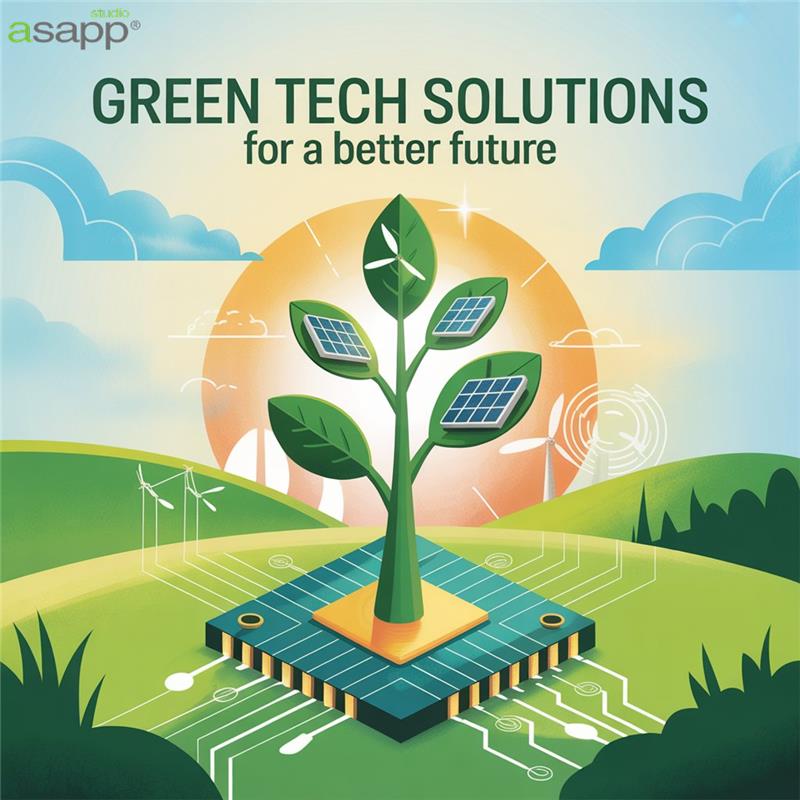
This got me thinking about how crazy the whole green tech solutions for a better future thing has gotten. And by crazy, I mean awesome. I’ve been writing about this stuff since Obama was president, back when hybrid cars were weird and solar panels looked like alien technology.
Boy, how things have changed.
Look, I hate jargon as much as you probably do. When someone asks me what is green technology, I don’t give them some textbook answer about “environmental science applications” or whatever.
Here’s what it really is: smart people figuring out how to not mess up our planet while still making cool stuff and living good lives. That’s it. Not rocket science. Well, actually, sometimes it literally IS rocket science, but you get my point.
The whole thing started because we realized burning fossil fuels forever was probably not our brightest idea. So we got creative. Really creative.
My uncle Tony (the guy who still thinks smartphones are “newfangled nonsense”) even admitted last Christmas that maybe this green stuff isn’t so bad. That’s when you know we’ve hit mainstream.
Here’s something nobody talks about enough. The 5 importance of green technology isn’t just about saving cute polar bears. Though polar bears ARE pretty cute, I’ll give you that.
It’s about money. Jobs. Not dying from air pollution. You know, the practical stuff.
My neighbor Sarah works at a wind farm now. Two years ago, she was unemployed after the local factory closed. Now she’s making more money than she ever did, climbing those giant turbines and fixing them when they break. She says the view from up there is incredible.
That’s green jobs for you. Real people, real paychecks.
And don’t even get me started on my electric bill. After I put solar panels on my roof three years ago (best decision ever, by the way), I went from paying the power company to them paying ME. Last month’s check was $73. Not huge money, but hey, it pays for Netflix and then some.
Remember when solar panels looked like something from a 1970s science fiction movie? Those chunky, blue things that screamed “I’m either really rich or really weird”?
Not anymore.
I was at Home Depot last week (buying mulch, if you must know), and they had this display showing green tech glass. Basically, windows that generate electricity. The sales guy told me they’re installing them in office buildings downtown. Windows that pay for themselves. Mind blown.
My buddy Dave just got his solar panels last month. The installation guys were done in four hours. FOUR HOURS. It took longer to install my garage door opener.
Driving through Iowa last summer, I saw wind turbines as far as the eye could see. Hundreds of them, spinning lazily, looking almost peaceful. My wife said they looked like giant flowers swaying in the breeze. I said they looked like money machines.
Turns out we were both right.
Met a farmer at a diner (best pie in three counties, by the way) who told me the wind company pays him $8,000 per turbine per year just for the land lease. He’s got twelve turbines on his property. You do the math.
He’s still farming the same land, growing the same corn, but now he’s also harvesting wind. Pretty smart, if you ask me.
Five years ago, my mechanic Frank laughed when I mentioned electric cars. “Good luck finding a place to plug that thing in,” he said, wiping grease off his hands.
Last week, Frank bought a Ford Lightning. Electric truck that can power his entire house during blackouts. The man who changes oil for a living is now driving something that doesn’t need oil changes.
That’s character development right there.
The green tech mobile apps now are insane. My sister drove from Boston to Miami in her Tesla, and the car basically planned the whole trip for her. Told her exactly where to charge, how long to stay, even suggested restaurants near charging stations.
It’s like having a really smart co-pilot who never asks to pick the music.
Okay, smart grids sound complicated, but they’re really not. Imagine if your electrical system was as smart as your smartphone instead of as dumb as… well, a regular electrical system.
I visited my cousin’s utility company last year (long story involving a wedding and too much wine), and they showed me their control room. Looked like mission control, but instead of launching rockets, they were juggling electricity across half the state.
The coolest part? When everyone cranks up their air conditioners on a hot day, the system automatically pulls extra power from wherever it’s available. Solar panels on sunny days, wind turbines when it’s breezy, even electric car batteries that are plugged in and fully charged.
It’s like electricity socialism, but profitable.
I toured this office building in Portland last year that produces more energy than it uses. The guy giving the tour (nice guy, terrible taste in ties) showed us elevators that generate power when they go down, windows that automatically tint themselves, and bathrooms with motion sensors that dim lights when nobody’s around.
The building literally gets paid by the utility company instead of the other way around.
My friend Janet works there and says her office is the most comfortable place she’s ever worked. Perfect temperature year-round, great lighting, and the company’s electric bill is zero. Sometimes less than zero.
Makes you wonder why all buildings aren’t built this way.
Remember when farming meant a guy in overalls walking behind a mule? Neither do I, but you get the idea.
Now it’s all drones and sensors and GPS. I visited my cousin’s farm last spring (he grows soybeans, don’t ask me why), and he showed me his operation from his pickup truck using a tablet.
Drones that spray pesticides with pinpoint accuracy. Tractors that drive themselves using GPS (more accurately than I drive, probably). Sensors in the ground that tell him exactly when each section of field needs water.
He’s growing more food on less land using way less water and chemicals. And making more money doing it.
There’s even vertical farms in old warehouses and shipping containers. Growing lettuce in Detroit year-round using 95% less water than regular farming. The “farmer” I met had a computer science degree and talked more about LED spectrums than soil quality.
Times change, I guess.
Here’s something wild. I met this entrepreneur at a coffee shop (great scones, mediocre coffee) who makes playground equipment from old tires. His raw material costs basically nothing because tire companies pay HIM to take their waste.
Then he sells playground surfaces to schools for premium prices. That’s the circular economy right there. One person’s trash is another person’s treasure, literally.
There are companies now making carpets from plastic bottles, turning old electronics into new gadgets, and even making concrete from recycled materials. Waste isn’t waste anymore. It’s just materials in the wrong place.
Based on what I’ve actually seen working in the real world:
Renewable Energy Stuff: Solar panels on every other roof in my neighborhood now. Wind turbines everywhere you drive. Even saw a geothermal system being installed at the community center. Underground pipes that heat and cool buildings using the earth’s natural temperature. Clever.
Battery Storage: Not just for phones anymore. My neighbor has a Tesla Powerwall that stores excess solar energy for nighttime. During the last blackout, his house was the only one on the block with lights on. Felt like a zombie movie, but in a good way.
Recycling Technology: Advanced systems that can turn almost anything into something useful. Saw a demonstration where they turned old cell phones into gold jewelry. Actual gold, not fake stuff.
Water Technology: Desalination plants turning ocean water into drinking water. Treatment systems that clean wastewater so well you could drink it (though most people prefer not to think about that too hard).
Transportation: Electric everything. Cars, buses, trucks, even boats and planes. My brother-in-law drives an electric delivery truck for FedEx now. Says it’s quieter than his regular car and never needs oil changes.
The benefits of green technology aren’t just environmental feel-good stuff. They’re practical:
My electric bill went down 60% after solar panels. That’s real money back in my pocket every month.
My friend Mike retrained as a wind turbine technician when the coal plant closed. Now he makes more money than ever and travels all over the country for work. He says the views from on top of those turbines are incredible.
The air in my city is cleaner than it was when I was a kid. My daughter doesn’t have the asthma problems I had growing up.
We’re less dependent on oil from places that don’t particularly like us. Energy independence sounds patriotic, but it’s really just practical.
Innovation is exploding. The race to build better green technology is creating breakthroughs in materials science, computing, manufacturing. It’s like the space race, but for saving the planet.
Don’t let anyone convince you that you need to renovate your entire house to go green. Start small.
LED light bulbs. Seriously. They last forever and use way less electricity. I replaced every bulb in my house for under $150 three years ago. Haven’t replaced a single one since, and my electric bill dropped noticeably.
Smart thermostat. Mine learns when we’re home and adjusts automatically. Saves about $300 a year just by not heating or cooling an empty house. Plus, I can control it from my phone, which makes me feel like I’m living in the future.
Solar panels if you can swing it. Yes, they’re expensive upfront. But most states have incentives, and they increase your home’s value. Mine paid for themselves in five years, and now they’re pure profit.
Energy-efficient appliances when your old ones break. Don’t replace working stuff just to be green, but when your refrigerator dies, get an Energy Star model. They use way less power and often work better.
Look, environmental sustainability sounds like something politicians talk about, but it’s really about leaving things better than we found them.
My dad always said, “Leave the campsite cleaner than you found it.” Same principle, bigger campsite.
My kids are going to inherit this planet. I want them to have clean air to breathe, stable weather patterns, and abundant resources. Green technology isn’t just about polar bears (though they’re pretty awesome). It’s about ensuring my grandkids can live as well as I do.
Selfish? Maybe. But sometimes selfish and right are the same thing.
I’ve visited some amazing companies doing incredible things:
A brewery in Colorado that powers itself with waste heat from beer fermentation. They’re literally powered by beer. The brewmaster told me they save thousands on electricity while making the same great beer.
A clothing company that makes shirts from recycled plastic bottles. Tried one on – softer than cotton and doesn’t wrinkle as much. My wife bought three.
A construction company building houses from recycled steel and concrete. The houses are stronger, more energy-efficient, and cheaper to build. Win-win-win.
A data center that uses outside air for cooling instead of energy-hungry air conditioners. Their electric bill is 40% lower than traditional data centers, and the servers run just as well.
Here’s what I think technology for a sustainable future really means: we figure out how to live well without destroying the thing we live on.
Sounds obvious, right? But for most of human history, we didn’t have the technology to do both. We could either live primitively and sustainably, or live well and trash the environment.
Now we’re figuring out option three: live well AND sustainably.
Green tech solar panels that pay for themselves. Electric cars that are faster and more reliable than gas cars. Green tech glass that generates power while looking like regular windows. Smart buildings that use less energy while being more comfortable.
We’re not there yet, but we’re getting close.
Sustainable technology is anything that lets us have our cake and eat it too, except the cake is modern civilization and eating it is not destroying the planet in the process.
Can we make energy without fossil fuels? Yes. Can we grow food without destroying soil? Yes. Can we manufacture things without creating toxic waste? Mostly yes. Can we live comfortable lives without ruining things for our kids? Looking more and more like yes.
That’s sustainable technology. It’s not about going backward to some imaginary golden age. It’s about going forward smarter.
Real companies with real profits are doing this stuff:
Google runs entirely on renewable energy. Their data centers use half the power of typical facilities. They’re not doing it to be nice – they’re doing it because it saves money.
Walmart has over 500 renewable energy projects. When the penny-pinchers at Walmart go green, you know it’s profitable.
IKEA produces more renewable energy than they use globally. They’re basically an energy company that happens to sell furniture.
Even oil companies are investing billions in renewable energy. When ExxonMobil starts talking about solar power, the writing’s on the wall.
The next wave is going to be incredible:
Floating solar farms on lakes and reservoirs. No land use conflicts, the water keeps the panels cool for better efficiency, and it reduces evaporation. Brilliant.
Artificial photosynthesis – basically man-made trees that eat CO2 and produce useful chemicals. Scientists are getting scary good at this.
Hydrogen fuel cells for everything. Japan is betting big on hydrogen as the clean fuel of the future. Might be driving hydrogen cars in ten years.
Smart cities where everything talks to everything else. Traffic lights that communicate with cars to reduce congestion. Buildings that share energy with the grid. Waste systems that optimize collection routes in real-time.
Sounds like science fiction, but so did smartphones twenty years ago.
Green tech solutions for a better future aren’t just environmental activism anymore. They’re economic reality.
Every day, more people are installing solar panels, buying electric cars, and starting green businesses. Every day, the technology gets better and cheaper.
My neighbor Jerry (remember him from the beginning?) just told me his solar panels paid for themselves two years early because electricity prices went up and solar efficiency improved faster than expected.
That’s the thing about exponential progress – it sneaks up on you.
We’re not just building a better future. We’re building it profitably. And that, my friends, is how real change happens.
The future isn’t something that happens to us. It’s something we build, one solar panel, one electric car, one smart building at a time.
And right now, we’re building it green.
Q: What are the main benefits of green technology?
A: Lower bills, new job opportunities, cleaner air and water, energy independence, and a more stable future for your kids.
Q: How can I implement green tech solutions at home?
A: Start simple: LED bulbs, smart thermostat, energy-efficient appliances. Add solar panels when budget allows.
Q: What makes technology “green” or sustainable?
A: It helps instead of hurts the environment, saves resources, reduces pollution, and uses renewable energy.
Q: Why is green technology important for the future?
A: Climate stability, economic opportunities, resource security, and ensuring our kids inherit a livable planet.
Q: What are some examples of current green technologies?
A: Solar panels, wind turbines, electric cars, smart home systems, efficient buildings, and advanced recycling.