
Last Tuesday, my sister called me panicking. “They’re putting AI in Tommy’s classroom!” she said. I drove over expecting some dystopian nightmare. Instead? Tommy was grinning ear to ear, showing me how his new “study buddy” explained fractions using his obsession with Pokémon cards.
That’s when it hit me. We’re not talking about robots taking over schools. We’re watching something way more interesting unfold.
Look, I’ve spent the last decade building tech solutions at Asapp Studio. I’ve seen plenty of “revolutionary” buzzwords come and go. But technology in education 2025? This one’s different. This one’s actually sticking. And honestly, it’s about time.
My high school computer lab had twelve beige desktop towers and one teacher constantly yelling “stop playing games!” Those days are dead. Gone. Buried.
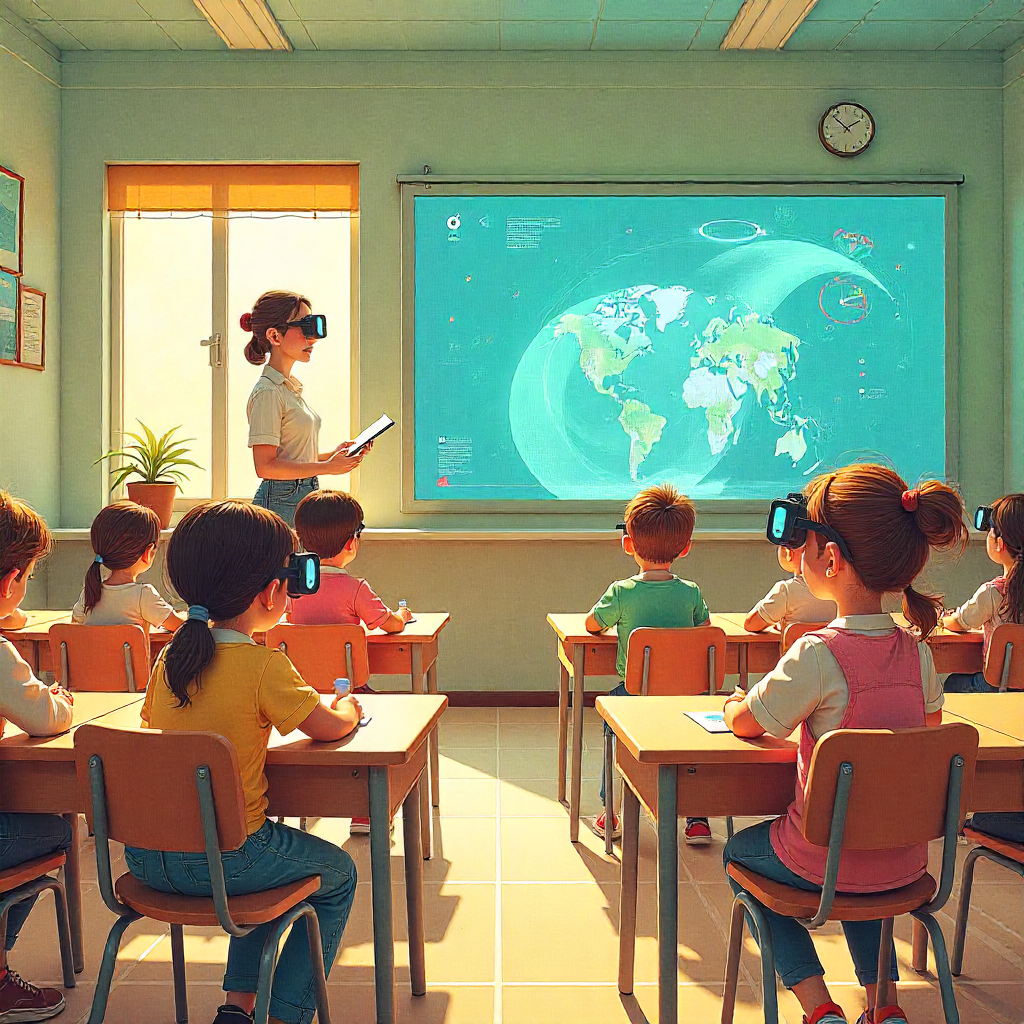
Walk into a classroom today and you might find kids standing in the middle of empty space, waving their arms around, exploring the Amazon rainforest through virtual reality classrooms. Sounds crazy, right? Except it works. These immersive learning environments aren’t making kids zone out—they’re making them actually pay attention for once.
Here’s what nobody tells you about VR in schools: it’s not about being cool. It’s about finally solving a problem teachers have faced forever—making abstract concepts feel real.
My friend Sarah teaches chemistry. Used to spend hours drawing molecules on whiteboards while half her class dozed off. Now? Her students walk around inside molecular structures. They see electrons buzzing. They watch chemical bonds form and break. One kid told her, “I finally get why atoms actually do stuff.”
That’s immersive learning working exactly how it should. Virtual field trips take students from Lahore to the Great Barrier Reef in seconds. Medical students practice surgeries before touching actual people. History stops being boring dates and becomes something you experience.
While VR takes you places, augmented reality in classrooms adds layers to what’s already there. Point your tablet at a geometry textbook and boom—3D shapes pop up on your desk. You can rotate them, measure them, mess with them.
Biology textbook shows a picture of a heart? These interactive learning tools make it beat. Make it pump blood through arteries you can trace with your finger. Try making a teenager bored during that lesson. I dare you.
Teachers aren’t being replaced by this tech. They’re getting upgrades. Like going from a bicycle to a motorcycle—same destination, way more power.
Okay, let’s address the elephant stomping around the room. Everyone’s freaking out about AI in education. “Robots teaching our kids!” “The end of real teachers!” “Skynet but for schools!”
Take a breath. Reality’s way less scary and way more useful.
Remember being stuck on homework, and your options were: struggle alone, bug your tired parents, or give up? My generation dealt with that. This generation doesn’t have to.
Generative AI tutors are like having a patient teacher sitting next to every single student. Kid doesn’t understand something? The AI explains it differently. Still confused? It tries another approach. And another. However many times it takes.
These intelligent tutoring systems (ITS) don’t get frustrated. Don’t check their watch. Don’t have thirty other students demanding attention. They just keep working until the concept clicks.
At Asapp Studio, we built an AI-powered teaching assistant for a school district last year. Teachers were skeptical at first. Now they can’t imagine going back. The AI handles repetitive questions, grades multiple-choice tests, and flags struggling students. Teachers spend their energy on what matters—actual teaching.
Here’s where it gets wild. Adaptive learning systems track everything. Not in a creepy Big Brother way—in a “finally understanding what each kid actually needs” way.
You’re crushing algebra but can’t write essays to save your life? The system knows. You learn better from videos than reading? It adjusts. Need examples explained three different ways before they stick? Done.
This AI-powered personalized learning means my nephew Tommy gets a completely different math experience than his best friend sitting next to him. Same classroom, same teacher, totally customized learning. That wasn’t possible five years ago. Now it’s just Tuesday.
Natural language processing in education means AI can grade essays now. Not just checking spelling—actually understanding arguments, evaluating logic, catching plagiarism, assessing whether students genuinely understand concepts.
These AI-enhanced assessment tools give teachers insights they’d never spot manually. Like noticing a student consistently struggles with transition sentences, or always gets confused when word problems involve percentages. Patterns that would take months to identify by hand? The AI spots them in minutes.
Let’s stop pretending. Nobody—and I mean nobody—sits through 90-minute lectures anymore without their mind wandering. That’s not kids being lazy. That’s human brains being human brains in 2025.
Microlearning platforms break everything into chunks. Five-minute videos. Quick quizzes. Targeted lessons that teach one concept really well instead of drowning you in information.
My cousin’s doing a coding bootcamp that uses this approach. Instead of eight-hour marathon sessions, she does focused 15-minute lessons. Learns one concept, practices it, moves on. Her retention rate? Through the roof compared to traditional courses she tried before.
These gamified learning experiences tap into how our dopamine-addicted brains actually function. Short wins. Immediate feedback. Progress you can see. Suddenly learning doesn’t feel like work—it feels like leveling up in a game.
Here’s something that’s flipping traditional education on its head: digital badges and microcredentials. You don’t need four years and massive debt to prove you know JavaScript. Take a focused course, pass the assessment, earn the credential. Employers actually recognize these now.
This competency-based education approach is perfect for career changers and people who need to upskill fast. My brother-in-law learned data analysis through microcredentials while working full-time. Six months later, new job, better pay. Try doing that with a traditional degree program.
Remember when school got canceled and that was it? You just… didn’t learn that day? Wild times.
Cloud-based learning platforms mean education happens anywhere there’s internet. Students in rural areas access the same resources as kids in major cities. Sick at home? Log in and join class. Traveling with family? Homework’s in the cloud.
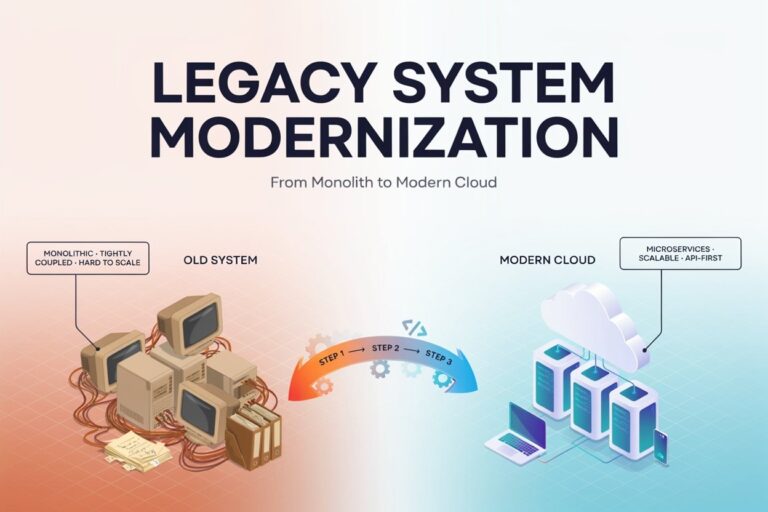
Every functional school now centers around learning management systems (LMS). These platforms do everything—deliver lessons, collect assignments, track grades, handle parent communications, measure progress.
But modern systems go further. They integrate with learning experience platforms (LXP) that recommend content based on what you’re learning and what you’re interested in. Basically Netflix but instead of binging shows, you’re binging knowledge.
We’ve built custom LMS solutions at Asapp Studio that actually work with schools instead of against them. Because here’s the thing: the fanciest system is worthless if teachers hate using it. Good design matters. User experience matters. We learned that the hard way.
Teachers used to teach based on gut feeling and experience. Both valuable. Both insufficient.
Behavioral analytics in education track how students engage with material. Are they rewatching certain video sections? Rushing through others? Logging in at 2 AM because they’re juggling school and work?
These AI-powered behavior support systems alert teachers before students fail. Not after—before. That’s the difference between intervention and damage control. Between helping someone succeed and watching them drop out.
Waiting two weeks for test results is ancient history. Real-time feedback in learning means students know immediately how they’re doing. Got a concept wrong? Find out now, while you still remember the question. Not three weeks later when you’ve already moved on.
This instant feedback loop uses AI-enhanced learning outcomes analytics that spot patterns humans never could. Teacher sees the entire class bombed question seven? Time to reteach that concept tomorrow, not discover it at the end of the semester.
Getting into the deeper waters now. The technologies that aren’t flashy but matter hugely.
Blockchain in education solves credential fraud. Your transcripts and certificates get locked in an unfakeable digital ledger. Employers verify your degree instantly. No more waiting weeks for transcript requests. No more “the dog ate my diploma” excuses.
For international students and remote learners, this is massive. I have friends who’ve spent months getting documents verified for job applications abroad. Blockchain kills that entire painful process.
Here’s what keeps me up at night: AI making biased decisions about students’ futures. Algorithms denying opportunities because of coded-in prejudices. Student data getting sold or leaked.
That’s why ethical AI in education and AI literacy for educators are critical. Schools need to understand their AI systems—how they make decisions, what data they use, where bias might hide.
At Asapp Studio, we build AI development services with ethics first, not last. Because moving fast and breaking things is fine for social media startups. It’s unacceptable when you’re dealing with kids’ educations.
Let me be crystal clear: technology isn’t replacing teachers. But teachers who use technology well will absolutely replace teachers who refuse to adapt. That’s just reality.
AI-enabled classroom management handles the tedious garbage: attendance, scheduling, parent emails about field trip permission slips, basic grading. All the administrative stuff that steals hours from actual teaching.
AI-driven curriculum development suggests lesson plans, activities, and resources. It’s like having a teaching assistant who never sleeps and has read every education study ever published. Teachers still make the decisions—they just have better information to decide with.
Biggest challenge teachers face in 2025? Competing with TikTok, Instagram, Snapchat, and whatever new app launched this morning. Students have been trained by algorithms to expect constant engagement and instant gratification.
AI-driven student engagement tools gamify lessons, personalize content to student interests, and deliver information in formats that actually capture attention. When math feels as engaging as scrolling through social media, students stop mentally checking out.
So what’s next? How will education change in the next 10 years? How about the next 20?
We’re moving toward fully personalized, accessible, continuous education. The future of technology in education in 2025 isn’t some distant vision—it’s happening now in thousands of classrooms.
Students will progress based on competency, not age. AI-based learning pathways will adapt to individual goals and learning styles. The rigid structure of “everyone learns the same thing at the same pace” is crumbling. Good riddance.
Looking at EdTech trends 2025, some technologies proved they’re here to stay. Others revealed themselves as expensive distractions.
What’s Actually Working:
What’s Dying:
Schools can’t figure this out alone. They need technology partners who understand both education and development.
That’s literally why Asapp Studio exists. We’ve built custom LMS platforms, AI tutoring systems, and learning analytics dashboards. We get that educational technology isn’t about flexing with the latest gadgets—it’s about solving actual problems teachers and students face daily.
Our approach to software development services in education focuses on usability, accessibility, and measurable results. We work alongside educators to build tools that enhance teaching instead of complicating it. Because we’ve seen too many schools waste money on flashy systems nobody ends up using.
As we race forward with these technologies, we need to pause and wrestle with hard questions:
How important is technology in education? Extremely—but it’s not magic. Technology amplifies good teaching; it doesn’t replace mediocre teaching with something better. Schools succeeding with EdTech treat it as a tool for educators, not a replacement for them.
What are emerging technologies in education? Beyond what I’ve covered, watch for brain-computer interfaces helping students with disabilities, emotion AI detecting when students are confused, and decentralized learning communities powered by blockchain.
How will schools be in the future? More flexible, more personalized, less constrained by physical location. But they’ll still need human teachers to inspire, mentor, and connect with students. Technology changes the tools. It doesn’t change fundamental human needs for guidance and community.
If you’re an educator or administrator reading this feeling overwhelmed, breathe. You don’t implement everything overnight.
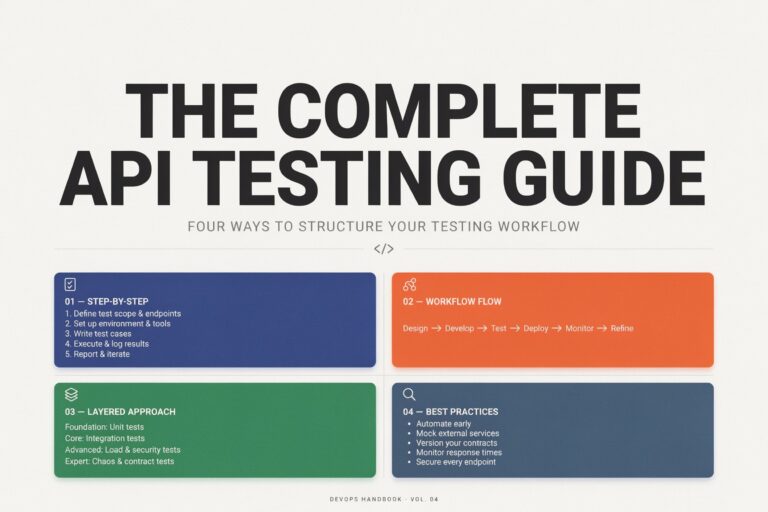
Start Small: Pick one specific problem—maybe real-time student feedback, or managing homework submissions efficiently. Find one tool that solves that specific issue. Master it. Then expand.
Involve Teachers: Best educational technology gets designed with teacher input, not imposed from above. Listen to what educators actually need instead of what vendors think sounds impressive.
Measure Outcomes: Don’t adopt technology because it’s shiny and new. Track whether it’s actually improving learning outcomes, student engagement, or teacher efficiency. Data matters.
Invest in Training: Fanciest AI system in the world is useless if teachers don’t know how to use it. Budget real time and resources for teacher development. Not a one-hour workshop—actual ongoing support.
Think Long-Term: Technology in education isn’t a one-time purchase. It needs continuous support, regular updates, and constant adaptation. Partner with development companies offering long-term support, not just initial setup.
We’re living through education’s biggest transformation since Gutenberg invented the printing press. How technology has transformed education including teaching and learning today goes beyond simple digitization—we’re fundamentally reimagining what’s possible.
The trends in education 2025 point toward a future where learning is personalized, data-informed, accessible, and lifelong. Where AI tutors support human teachers. Where virtual reality makes impossible concepts experiential. Where students advance based on actual skill mastery, not just seat time.
This isn’t some abstract discussion about how tech is changing the world. This is specific tools, right now, helping real students learn better and real teachers teach more effectively. It’s about democratizing access to quality education and meeting students wherever they are—literally and figuratively.
The technological advancement has revolutionized the process of education in ways we barely imagined five years ago. My nephew Tommy learning fractions through Pokémon analogies from an AI tutor? That’s not some far-future scenario. That happened last week.
At Asapp Studio, we’re not watching this revolution from the sidelines—we’re helping build it. Whether you need a custom LMS, an AI-powered tutoring system, or consultation on digital transformation strategy, we bring both technical expertise and educational understanding.
The future of education is being written right now. Technology will continue revolutionizing education whether schools embrace it or resist it. The only question is: are you shaping what comes next, or are you being shaped by it?
Because ready or not, the classroom of tomorrow is already here. And honestly? It’s way more interesting than the classroom of yesterday ever was.
Q1: How is technology changing the future of education?
Technology enables personalized learning, AI tutoring, virtual classrooms, real-time feedback, and data-driven teaching, making education more accessible and effective for diverse learning styles globally.
Q2: What are the most important EdTech trends in 2025?
Key trends include AI-powered personalized learning, VR/AR immersive experiences, microlearning platforms, adaptive learning systems, blockchain credentials, and cloud-based collaborative tools.
Q3: How will education change in the next 10 years?
Education will shift toward competency-based progression, AI-assisted teaching, flexible learning schedules, personalized curricula, and breaking down traditional classroom boundaries through technology.
Q4: What are emerging technologies in education?
Emerging technologies include generative AI tutors, emotion detection AI, brain-computer interfaces for accessibility, blockchain for credentials, and advanced natural language processing for assessment.
Q5: How important is technology in education today?
Technology is crucial—it amplifies effective teaching, enables personalization at scale, provides actionable data insights, and democratizes access to quality education across geographic and economic barriers.