
Remember when installing software meant waiting hours for CDs to load? Those days feel prehistoric now. In 2025, the question isn’t whether your business should adopt SaaS—it’s which SaaS tools will catapult you ahead of competitors still wrestling with outdated systems.
Let’s talk numbers that’ll make your accountant smile. The SaaS market size has exploded to over $300 billion globally, and SaaS growth 2025 projections suggest we’re just getting started. But here’s what really matters: how many SaaS apps do companies use on average? The latest data shows businesses now rely on 130+ SaaS applications—and that number is climbing fast.What is a SaaS company doing differently? They’re not just selling software; they’re delivering transformation. What is a SaaS business model that works? One that scales without the traditional headaches of physical infrastructure.
Your competitors using legacy systems? They’re playing checkers while you’re mastering chess. SaaS Solutions offer something revolutionary: instant scalability. Need to onboard 100 new employees? Your Cloud-based Software handles it seamlessly. Market shifts overnight? Your SaaS platform adapts faster than you can say “competitive advantage.”Leveraging technologies isn’t just about staying current—it’s about staying ahead. When you’re leveraging technology for business growth, you’re not just automating processes; you’re reimagining possibilities.
The fastest growing SaaS companies share one secret: they don’t just use SaaS tools—they strategically deploy them for maximum impact. Top SaaS companies report 25-40% faster decision-making when leveraging data for business decisions through integrated platforms.Here’s where it gets interesting: how many B2B SaaS companies are there? Over 30,000 globally, each fighting for your attention. But the top SaaS companies in USA understand that success isn’t about having every tool—it’s about having the right tools working together seamlessly.
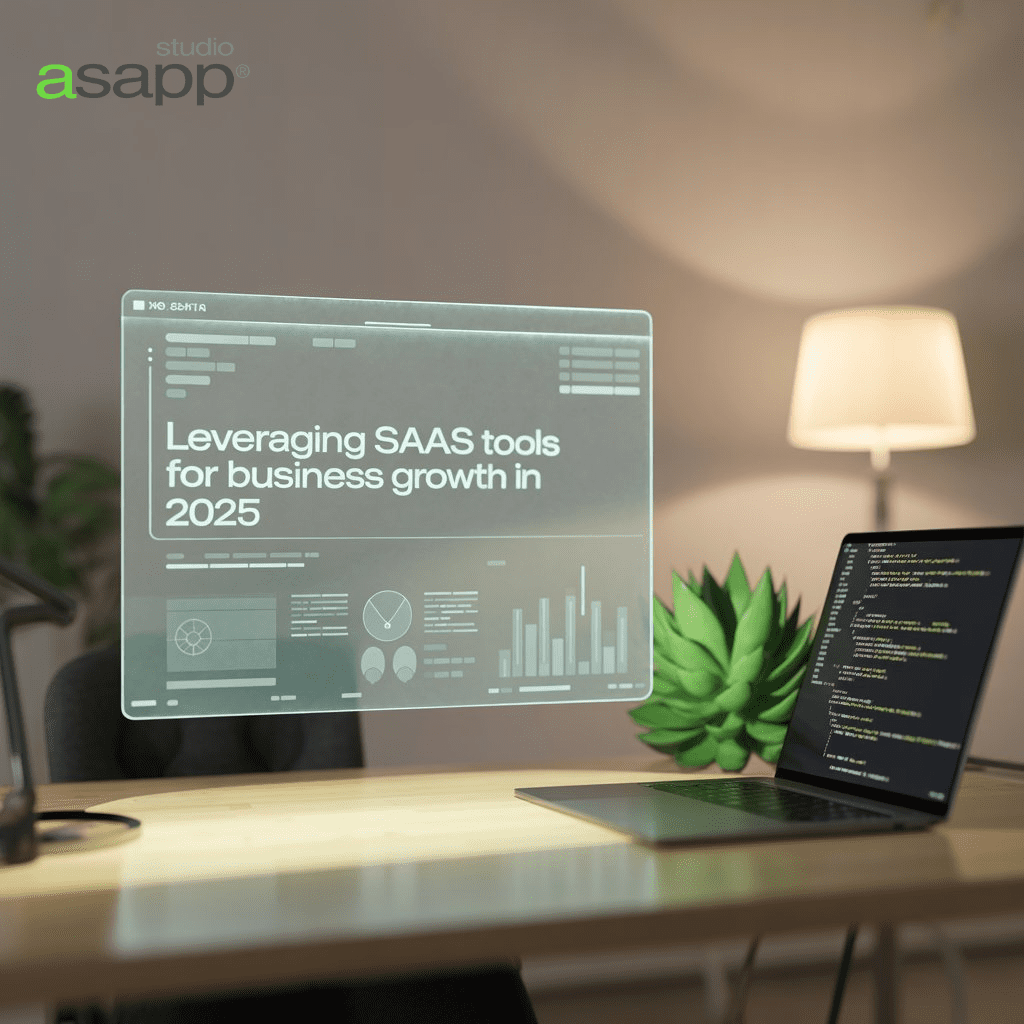
Let’s address the elephant in the room: why SaaS integration is hard. Multiple platforms, different APIs, data silos—sound familiar? The growing SaaS companies solving this aren’t just buying more tools; they’re building integrated ecosystems.
Leveraging data to develop a strategy means your CRM talks to your marketing automation, which syncs with your project management, which feeds your analytics dashboard. When done right, it’s beautiful. When done wrong? It’s chaos.
SaaS tools for startups level the playing field in ways that seemed impossible just five years ago. A three-person startup can now access enterprise-level capabilities without enterprise-level budgets. Is SaaS a good business model? For startups, it’s not just good—it’s essential for survival.
The transition to SaaS model isn’t just about cost savings (though saving 60% on IT infrastructure doesn’t hurt). It’s about agility. When your entire tech stack can scale up or down in hours, not months, you’re not just running a business—you’re conducting a symphony.
The SaaS trends 2025 everyone’s talking about? AI integration, vertical specialization, and ecosystem plays. But here’s what industry insiders know: the real game-changer is leveraging technology in business to create customer experiences that feel almost telepathic.
SaaS industry examples that blow my mind: companies using predictive analytics to solve customer problems before customers even know they have them. Healthcare SaaS platforms scheduling maintenance on medical equipment based on usage patterns. Manufacturing tools that optimize supply chains in real-time.
SaaS growth levers in 2025 aren’t what they were in 2020. It’s not just about monthly recurring revenue anymore—it’s about ecosystem value. SaaS sales growth happens when your tools don’t just solve problems; they anticipate them.
The future of SaaS industry belongs to platforms that think like business partners, not just software vendors. When your Business automation tools start suggesting strategies instead of just executing tasks, that’s when the magic happens.
Why SaaS is the best business model becomes crystal clear when you see the numbers. Companies leveraging comprehensive SaaS for Business report:
But the real kicker? Business innovation with SaaS compounds. Each integrated tool amplifies the others, creating what economists call network effects. Your project management tool becomes more powerful when it connects to your time tracking. Your CRM becomes predictive when it integrates with your customer service platform.
Scalable Solutions mean different things to different businesses. For startups, it might mean handling your first 1,000 customers without breaking a sweat. For enterprises, it could mean expanding into five new markets simultaneously without hiring an army of IT specialists.
The beauty of Digital tools for companies in 2025? They grow with you. No more ripping and replacing systems every time you hit a new milestone.
The latest SaaS industry report reveals jaw-dropping statistics. SaaS revenue growth across sectors averages 23% year-over-year, with some coolest SaaS companies seeing 50%+ growth. But here’s the insight most miss: this isn’t just about technology adoption—it’s about Business efficiency becoming a competitive weapon.
Cloud computing for businesses has evolved from “nice to have” to “essential for survival.” Companies not embracing SaaS adoption aren’t just falling behind—they’re becoming extinct.
Software as a Service in 2025 isn’t just about accessing applications—it’s about accessing capabilities that would have required entire departments just a few years ago. AI-powered insights, automated compliance, predictive maintenance—these aren’t futuristic concepts; they’re Tuesday morning realities for businesses embracing the SaaS software revolution.
Before adding new SaaS products, understand what you have. Map out your current tools, identify integration gaps, and spot redundancies. The goal isn’t more tools—it’s smarter tool deployment.
The sexiest new SaaS platform means nothing if it can’t talk to your existing systems. Focus on tools that enhance your ecosystem rather than creating new silos.
Leveraging data for business decisions requires metrics that matter. Don’t just track usage; track impact. How are your SaaS Solutions actually moving the needle on business outcomes?
The growth of SaaS isn’t slowing down—it’s accelerating. Businesses that master leveraging SaaS tools for business growth in 2025 aren’t just surviving; they’re defining the future of their industries.
Whether you’re a startup fighting for market share or an established company looking to maintain relevance, the question isn’t whether SaaS can drive growth—it’s whether you’ll leverage these tools before your competitors do.
The future of SaaS is here, and it’s not waiting for anyone. Your business growth depends on how quickly you can adapt, integrate, and optimize these powerful tools.
Ready to transform your business operations and accelerate growth? At AsappStudio, we specialize in helping companies navigate the complex SaaS landscape and implement solutions that drive real results. Contact us today to discover how our cloud computing services can revolutionize your business operations and fuel unprecedented growth.
Q: What are the best SaaS tools for business growth in 2025?
A: Top SaaS tools include CRM platforms, marketing automation, project management, analytics tools, and cloud storage solutions that integrate seamlessly with existing workflows.
Q: How many SaaS applications does an average business use?
A: The average business now uses 130+ SaaS applications, with enterprise companies often utilizing 200+ different cloud-based tools and platforms.
Q: Why is SaaS considered the best business model for 2025?
A: SaaS offers scalability, cost-effectiveness, automatic updates, and rapid deployment, making it ideal for businesses seeking growth and operational efficiency.
Q: How does SaaS integration benefit business operations?
A: Proper SaaS integration eliminates data silos, automates workflows, improves decision-making, and increases overall business efficiency by 40-60%.
Q: What’s driving the rapid growth of the SaaS industry?
A: Digital transformation needs, remote work trends, cost efficiency, scalability requirements, and AI integration capabilities are driving SaaS industry growth.