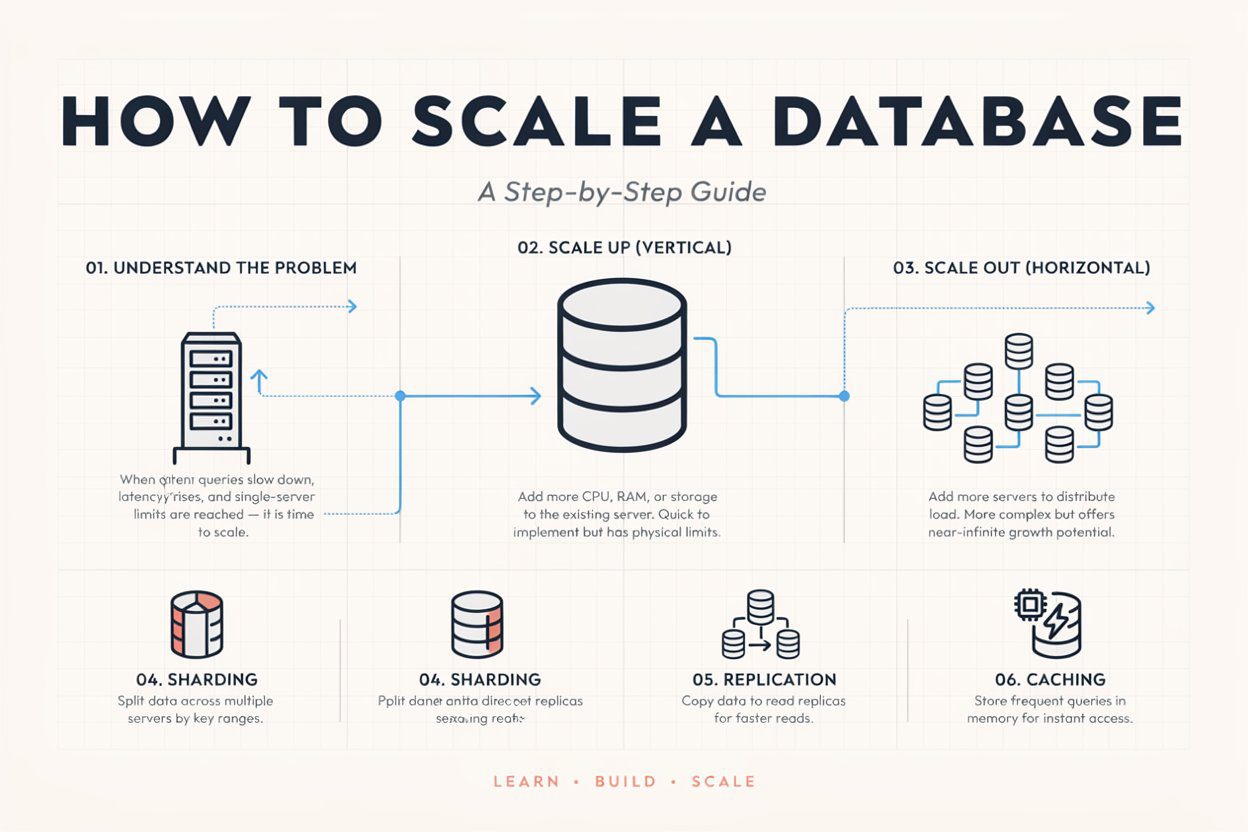

Last month, I watched my buddy Jake’s food delivery app crash during lunch rush. Three years of work, gone because he never thought about scaling. Don’t be Jake.
Look, I’ve been in the trenches building businesses for over a decade, and I’ve seen some spectacular failures. The kind that make you question everything. But I’ve also seen magic happen when someone gets scalability right.
Yesterday, I was chatting with Sarah from our design team about her side hustle. She started selling digital templates six months ago. Now she’s pulling in five figures monthly while working the same hours. That’s not luck—that’s what happens when you understand how to build a scalable business model.
Forget the textbook definitions. Here’s my scalable business definition based on watching hundreds of startups: it’s a business where your problems get easier as you grow, not harder.
My neighbor runs a lawn care service. Every new client means more gas, more time, more equipment. That’s linear growth—painful and exhausting.
Compare that to my friend who created an online course teaching people photography. She filmed it once. Now it sells while she sleeps. New customers don’t cost her anything extra. That’s scalability. What makes a business scalable boils down to this: can you serve 100 customers as easily as you serve 10? If adding customers feels like you’re drowning, you’ve got a scaling problem.
I made this mistake with my first company back in 2018. Revenue was climbing, I was hiring like crazy, but profits stayed flat. Sound familiar?
The problem? I was scaling the wrong things. More people, bigger office, fancier equipment—but the same broken processes underneath.
Scalable business solutions aren’t about doing more of the same stuff. They’re about doing fundamentally different things that work better at scale.
Think about it: Netflix didn’t just mail more DVDs faster. They changed the entire game.
How to make a business scalable starts with a mindset shift. You’re not building a job for yourself—you’re building a machine that works without you.
Last year, I helped my cousin restructure his consulting business. Instead of selling his time, he started selling systems. Same expertise, completely different delivery model. His income doubled while his stress halved.
Keys to building a scalable business plan:
Here’s where most people mess up: they think how to build a scalable web application means using the fanciest tech stack. Wrong.
I’ve seen businesses built on WordPress outperform companies with million-dollar custom platforms. Know why? They focused on solving customer problems, not impressing developers.
Scalable business models use technology strategically:
My buddy runs a successful subscription box company using mostly free tools. Mailchimp, Shopify, Google Sheets. Nothing fancy, everything functional.
I’ve watched this play out dozens of times. The pattern is always the same.
Businesses that scale share these traits:
Businesses that struggle usually have:
Tired of theoretical advice? Here are scalable business ideas 2025 I’ve personally seen succeed:
My accountant created a tax prep course for small businesses. Filmed it once, sold it 3,000 times. That’s the power of low cost scalable business ideas.
“But services don’t scale!” Wrong. They scale when you package them properly.
Instead of “I’ll design your website,” try “Website in a week package with these specific deliverables.” See the difference?
How to scale a service business:
Remember when Airbnb started? They didn’t own hotels—they connected people who had space with people who needed space. Pure platform genius.
Scalable business examples often follow this model:
What is a scalable business? Start by brutally auditing what you have now.
I sit down with business owners and ask uncomfortable questions:
How to build a scalable system means fixing the foundation before adding floors.
Focus on three areas:
I helped a friend automate his client onboarding last year. What used to take him 3 hours now happens automatically while he sleeps.
How to create a scalable business requires testing your systems under pressure.
Try this exercise: Can someone else run your business for a week using only your documented processes? If not, you’re not ready to scale.
Business model scalability depends heavily on your tech stack. But here’s what nobody tells you: the best technology is the one you’ll actually use consistently.
I learned this the hard way. My first business ran on servers in my office. One power outage took us down for six hours. Never again. Cloud infrastructure isn’t just about uptime—it’s about variable costs that scale with your success.
How to build a scalable web application often comes down to integration capabilities. Every tool should talk to every other tool.
My current business runs on dozens of integrated apps. Customer signs up in one system, automatically gets added to email sequences, billing systems, project management tools. No manual work required.
Half your customers will interact with your business on mobile. If your scalable business plan doesn’t account for this, you’re already behind.
Responsive design isn’t optional anymore—it’s table stakes for any business that wants to scale.
Profit maximization in scalable businesses works differently than traditional companies.
Traditional business: Make $10 profit per customer, get more customers to make more money.
Scalable business: Spend $100 to acquire a customer who’ll generate $300 over their lifetime, then optimize that ratio.
Forget vanity metrics. These numbers tell you if you’re building what is a scalable business:
I track these weekly in a simple spreadsheet. When CAC goes up or LTV goes down, I know something’s broken.
Types of scale of business problems I see repeatedly:
Waiting until everything’s perfect before you scale. News flash: it never will be.
I launched my course with terrible audio quality. Fixed it later, but those early sales funded the improvements.
Believing only you can do the important work. This is startup death.
What makes a business model scalable is ordinary people doing extraordinary work through great systems.
Thinking better software will solve all problems. It won’t.
Culture eats strategy for breakfast, and culture definitely eats technology for lunch.
Maria taught accounting to small businesses. Traditional model: $100/hour consulting, limited by her time.
Scalable model: $497 online course teaching the same concepts. Same knowledge, unlimited students.
Result: $50,000 first year, working fewer hours.
Scalable business ideas often come from packaging existing expertise differently.
Tom ran a handyman service. Local market, local problems.
He started creating “how-to” videos for simple repairs. Added affiliate links for tools. Built email list of DIY enthusiasts.
Now he makes more from digital products than physical services.
How to scale your business 2025 often means adding digital revenue streams to physical operations.
Emerging technologies are creating new scalable business opportunities.
IoT devices generate data. Data creates insights. Insights create value. Value scales.
My friend created a system monitoring restaurant equipment. One installation led to 50 more. The software scales, the hardware is handled by partners.
Automated processes aren’t just about efficiency—they’re about consistency at scale.
Future-proof business model thinking means preparing for changes before they happen.
What worked in 2020 won’t work in 2025. What works in 2025 might not work in 2030.
Business scalability trends I’m watching:
Can’t scale what you can’t replicate. Write down every process, no matter how obvious it seems.
Start with customer communications. Then billing. Then reporting. Small wins build momentum.
Launch your scaled version with a small group. Learn what breaks. Fix it. Repeat.
Sustainable business model growth often comes through strategic partnerships.
Instead of building everything yourself, find businesses with complementary strengths.
I partner with developers for technical work, designers for creative projects, marketers for promotion. Everyone wins, everyone scales.
Grew too fast and your quality dropped? Scale back the growth rate, invest in processes.
Technology can’t handle the load? Cloud solutions that grow with you.
Team burning out from rapid growth? Better hiring and training systems.
Growth and scalability strategies must include contingency planning.
Disruptive business models still need human connection.
Automation handles the routine stuff. Humans handle the relationship stuff.
Scale your systems, not your personal touch.
Business success in 2025 belongs to companies that scale intelligently, not just quickly.
You don’t need venture capital or a huge team. You need clear thinking, good systems, and the patience to build something that lasts.
What is scalable business thinking? It’s building today with tomorrow’s growth in mind.
At AsappStudio, we’ve helped companies go from idea to scalable business in months, not years. The secret isn’t magic—it’s methodology.
Mobile apps that grow with your user base. Security systems that protect without slowing down. Infrastructure that scales automatically.
How to make a scalable business model comes down to this: start with the end in mind, build systems that improve with growth, and never stop optimizing.
The businesses winning in 2025 aren’t the ones with the most resources—they’re the ones with the most scalable models.
Ready to join them?
They try to scale before fixing their foundation. You can’t build a skyscraper on quicksand. Fix your processes, systems, and quality before pursuing rapid growth.
Ask this: can you serve 100 customers as easily as 10? If every new customer requires proportional increases in time, cost, or complexity, it’s not scalable yet.
You can start for under $1,000 using tools like Shopify, Mailchimp, and Zapier. Focus on validating demand and building systems, not expensive infrastructure.
Expect 6-18 months to build solid foundations. Quick scaling often means quick failing. Better to build sustainable systems that last than fast growth that crashes.
Absolutely. Most businesses can add scalable elements: digital products, automated services, or platform models alongside traditional operations.