
Ever felt like your tech company’s marketing is speaking to an empty room? You’re not alone. While building cutting-edge IoT solutions or cloud innovations comes naturally, marketing them? That’s a different beast entirely.
Here’s the reality: digital marketing trends 2025 aren’t just about following the crowd. They’re about understanding what actually moves the needle for tech companies like yours. After working with countless tech startups and enterprises, I’ve witnessed firsthand what separates the companies that thrive from those that struggle to get noticed.
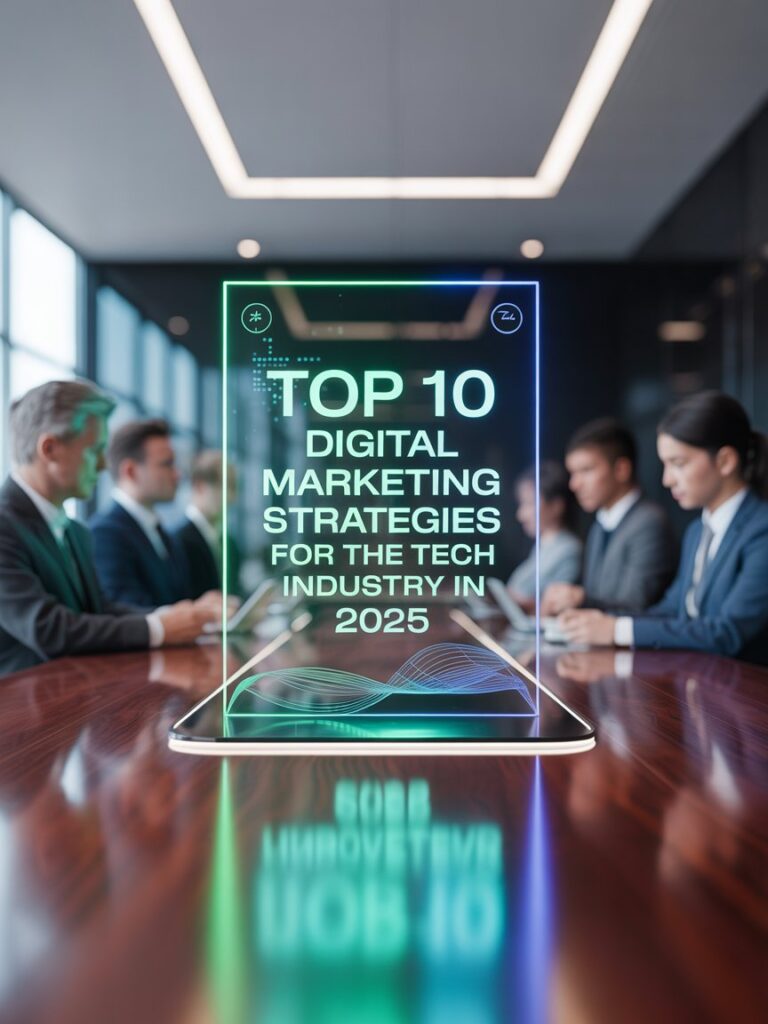
Let’s dive into the top 10 digital marketing strategies for the tech industry in 2025 that will actually transform your business trajectory.
Remember when “Dear Sir/Madam” was acceptable? Those days are ancient history. AI in marketing has evolved from a nice-to-have to an absolute necessity. In 2025, AI-driven personalization means your website adapts content in real-time based on visitor behavior, industry, and pain points.
Think beyond basic name insertion. Modern marketing automation platforms analyze user journeys across touchpoints, predicting the exact content each prospect needs at each stage. For tech companies, this translates to showcasing specific features that matter most to each visitor. Pro tip: Start with dynamic website content that adjusts based on referral source. If someone arrives from a PWA article, show PWA-related case studies and testimonials.
“Hey Google, what’s the best CRM for tech startups?” Voice search optimization isn’t just about long-tail keywords anymore. It’s about understanding conversational intent and providing answers that sound natural when spoken aloud.
Tech companies need to optimize for question-based queries that potential customers actually ask their devices. This means creating content that directly answers specific problems your audience faces.
Implementation strategy: Create FAQ sections that mirror natural speech patterns. Instead of “CRM features,” target “What features should I look for in a CRM system?”
Static blog posts won’t cut it anymore. Interactive content in 2025 means calculators, assessments, and tools that provide immediate value. For tech companies, this could be ROI calculators, security audits, or performance assessments.
Interactive elements increase engagement time and provide valuable lead qualification data. When someone spends 15 minutes using your custom assessment tool, they’re significantly more qualified than someone who merely downloaded a white paper.
Video marketing strategies in tech need to go beyond product demos. Think documentation walkthroughs, behind-the-scenes development processes, and founder stories. The key is authenticity over polish.
Short-form videos explaining complex concepts perform exceptionally well. Create a series explaining your tech stack, development methodology, or customer success stories through video narratives.
Content ideas:
B2B marketing trends 2025 emphasize quality over quantity. Account-based marketing means identifying specific companies that perfectly fit your ideal customer profile and creating hyper-personalized campaigns for decision-makers within those organizations.
For tech companies, this involves researching target accounts’ current technology stack, pain points, and business objectives. Create content that speaks directly to their specific challenges and demonstrate clear understanding of their industry.
ABM tactics that work:
Understanding your customer journey mapping isn’t just about awareness-to-purchase anymore. It’s about identifying micro-moments where prospects need specific information or reassurance.
Map out every touchpoint and create automated responses that address common concerns at each stage. For instance, after someone downloads a technical white paper, follow up with implementation guides rather than generic sales pitches.
User-generated content in tech communities creates powerful social proof. Build platforms where your customers share implementation stories, code snippets, or troubleshooting tips.
This strategy works particularly well for development frameworks and cloud solutions where peer recommendations carry significant weight.
Community platforms to consider:
Marketing analytics tools in 2025 go beyond last-click attribution. Multi-touch attribution models show how different marketing channels contribute to conversions throughout extended B2B sales cycles.
For tech companies with longer sales cycles, understanding which content pieces influence decisions at different stages becomes crucial for budget allocation and content strategy optimization.
Augmented Reality (AR) in marketing isn’t just for consumer brands anymore. Tech companies can use AR to demonstrate software interfaces, visualize data architecture, or show how solutions integrate with existing systems.
Consider AR demonstrations for trade shows, virtual product tours, or interactive documentation that overlays information on real-world scenarios.
As AI becomes more prevalent, transparency becomes a competitive advantage. Companies that clearly communicate how they use AI, protect data, and maintain ethical standards will build stronger trust with privacy-conscious tech buyers.
This includes transparent pricing, clear data usage policies, and honest communication about AI capabilities and limitations in your marketing materials.
Here’s what most marketing strategy guides miss: these strategies don’t work in isolation. The magic happens when AI-driven personalization informs your video content, which feeds into community discussions, which generates user-generated content for your ABM campaigns.
Think of your marketing technology stack as an ecosystem where each component amplifies the others. Your cloud security content can fuel voice search optimization while generating data for personalization algorithms.
Traditional metrics like website traffic and email open rates don’t tell the complete story for tech companies. Focus on:
The newest trends in marketing point toward even greater integration between marketing and product development. Companies that treat marketing as a product function rather than a separate department will dominate the future digital marketing trends landscape.
Generative AI in advertising will become more sophisticated, creating personalized ad creative at scale. However, human creativity and strategic thinking will remain irreplaceable for developing authentic brand narratives and ethical marketing practices.
Implementing these top 10 marketing trends 2025 requires more than just tactical execution. It demands a fundamental shift in how you think about customer relationships and value creation.
The companies that thrive won’t just adopt these marketing strategies and tactics—they’ll adapt them to their unique value propositions and customer needs. Whether you’re developing mobile applications or IoT solutions, your marketing should reflect the innovation and problem-solving approach that defines your technology.
Start with one strategy that aligns with your current capabilities and customer needs. Master it completely before moving to the next. Remember, in the world of digital transformation in marketing, consistency beats complexity every time.
The future belongs to tech companies that market as intelligently as they innovate. Which strategy will you implement first?
Q: What makes digital marketing strategies for tech companies different from other industries?
A: Tech marketing requires deeper technical credibility, longer sales cycles, and focus on demonstrating complex value propositions to technical decision-makers.
Q: How can small tech startups compete with larger companies in digital marketing?
A: Focus on niche expertise, authentic community building, and personalized customer experiences rather than trying to outspend larger competitors.
Q: Which marketing automation tools work best for B2B tech companies in 2025?
A: HubSpot, Marketo, and Pardot lead for comprehensive automation, while specialized tools like Drift excel at conversational marketing for tech audiences.
Q: How important is SEO for tech companies compared to paid advertising?
A: SEO provides long-term credibility crucial for tech buyers researching solutions, while paid ads offer immediate visibility for time-sensitive campaigns.
Q: What’s the biggest mistake tech companies make with content marketing?
A: Creating overly technical content that doesn’t address real business problems or speaking to developers when decision-makers are business executives.