
We’re living in a world where artificial intelligence isn’t science fiction anymore – it’s deciding who gets a mortgage, diagnosing illnesses, and even recommending what movie you’ll watch tonight. That’s why getting AI ethics right matters more than ever. If we don’t nail this now, we risk building systems that hurt people instead of helping them. And honestly? That keeps me up at night.
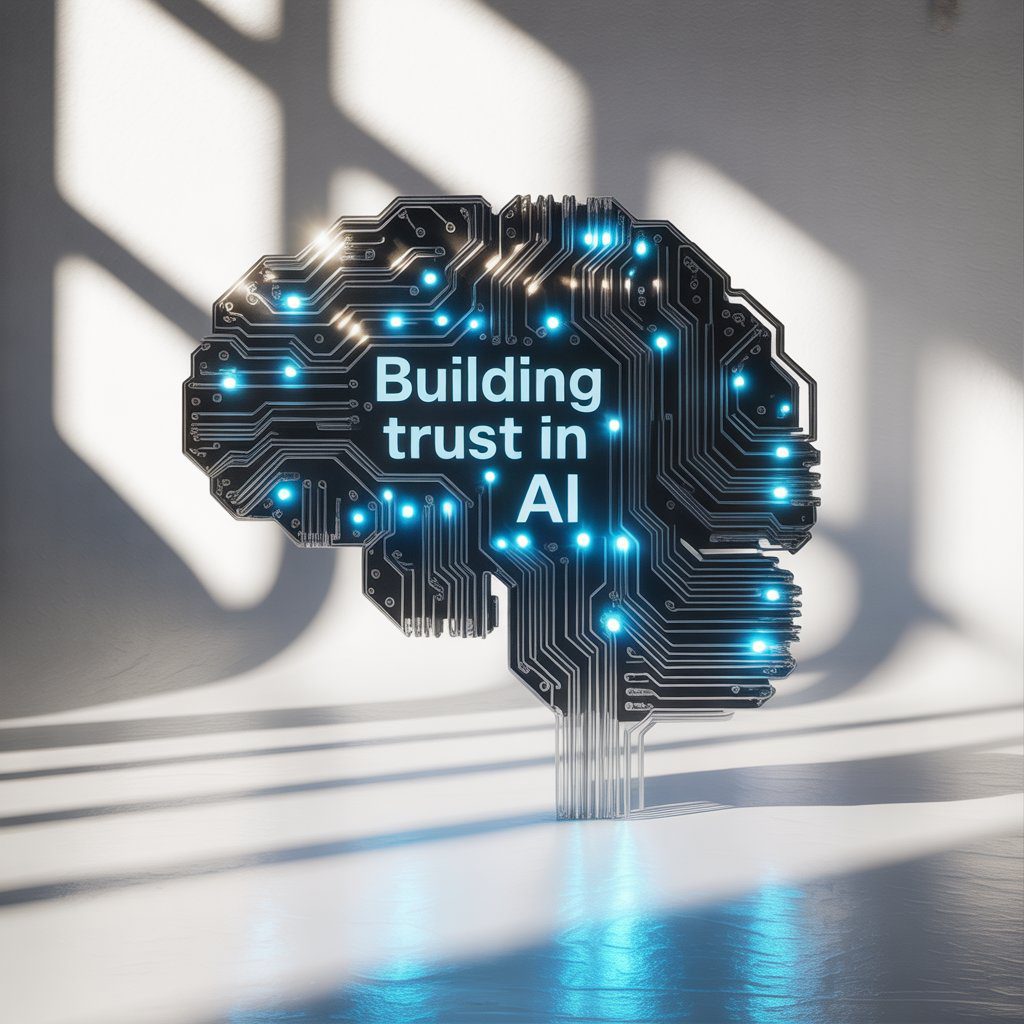
Let’s cut through the jargon: ethical AI stands on three rock-solid pillars – fairness, transparency, and accountability. These aren’t just fancy buzzwords CEOs throw around. They’re the lifeblood of any AI system worth trusting. Miss one pillar? The whole thing crumbles like a house of cards. I’ve seen what happens when companies treat these as checkboxes rather than core values – it never ends well.
Here’s the uncomfortable truth: AI bias isn’t some future possibility – it’s happening right now in hiring tools, loan applications, and healthcare algorithms. Why? Because these systems learn from our messy human history. Take recruitment AI trained on past hiring data. If your company historically hired mostly men for tech roles, guess what? The AI will think that’s “normal” and penalize female applicants. I met a brilliant female engineer last month who got rejected by an AI because her resume didn’t contain “male-coded” keywords like “dominate” or “crush it”. That’s not just unfair – it’s robbing companies of top talent.
This one’s tricky, isn’t it? We all love our smart speakers playing songs on command, but do we realize they’re hearing our private family arguments too? Or consider healthcare AI that knows your medical history better than your spouse. The real question isn’t whether we collect data – it’s whether we treat people’s information with the respect it deserves. Imagine your health data leaking because an AI cut corners on security. Terrifying thought, right?
Ever asked an AI “Why did you say no to my loan application?” only to get silence? That’s the infamous “black box” problem. We must demand explainable AI (XAI) that shows its work like a math student. When a hospital uses AI to spot tumors, doctors shouldn’t have to shrug and say “the algorithm said so”. Patients deserve better. I recently saw an XAI system break down diagnoses so clearly that even my tech-phobic aunt understood it – that’s the gold standard.
Hackers aren’t just stealing credit cards anymore – they’re weaponizing AI. Remember those viral deepfake videos of celebrities? Last year, scammers used similar tech to impersonate a CEO’s voice and steal $243,000. And don’t get me started on hospitals leaking sensitive patient records because their AI security was an afterthought. Robust protection isn’t optional – it’s your digital armor.
Let’s be real: ethical AI isn’t just feel-good fluff – it’s serious business strategy. Companies embracing this are seeing real wins:
The CEO of a mid-sized tech firm told me: “Our ethical framework became our secret sales weapon. Clients chose us over cheaper rivals because we could prove our AI played fair.”
Self-regulation alone is like letting students grade their own exams – it helps, but you need independent oversight. Regulations like the EU’s AI Act give us guardrails, but the balance is delicate. Too strict? You kill innovation. Too loose? Another biased algorithm goes viral overnight. The sweet spot? Governments setting safety nets, not cages.
Looking Forward
The future of ethical AI isn’t about damage control – it’s about active good. Picture this:
This means designing AI that lifts humans up rather than replaces them. It means treating ethics like software updates – constant improvements, not one-time installations.
Building ethical AI isn’t a project with an end date – it’s a company heartbeat. Like one engineer told me during coffee break: “Every code commit is a moral choice.” The businesses thriving tomorrow are those baking ethics into their DNA today. Will it be complex? Absolutely. But when we get it right? We don’t just build clever systems – we build systems deserving of human trust.