
You know what’s wild? Three months ago, I was at a coffee shop in Portland (yeah, I know, very on-brand), and this kid—maybe 16?—was fixing his phone screen with tools from a little kit. Not taking it to some repair shop. Just… doing it himself. Got me thinking about how much the tech world has changed since I started covering this beat back in 2019.
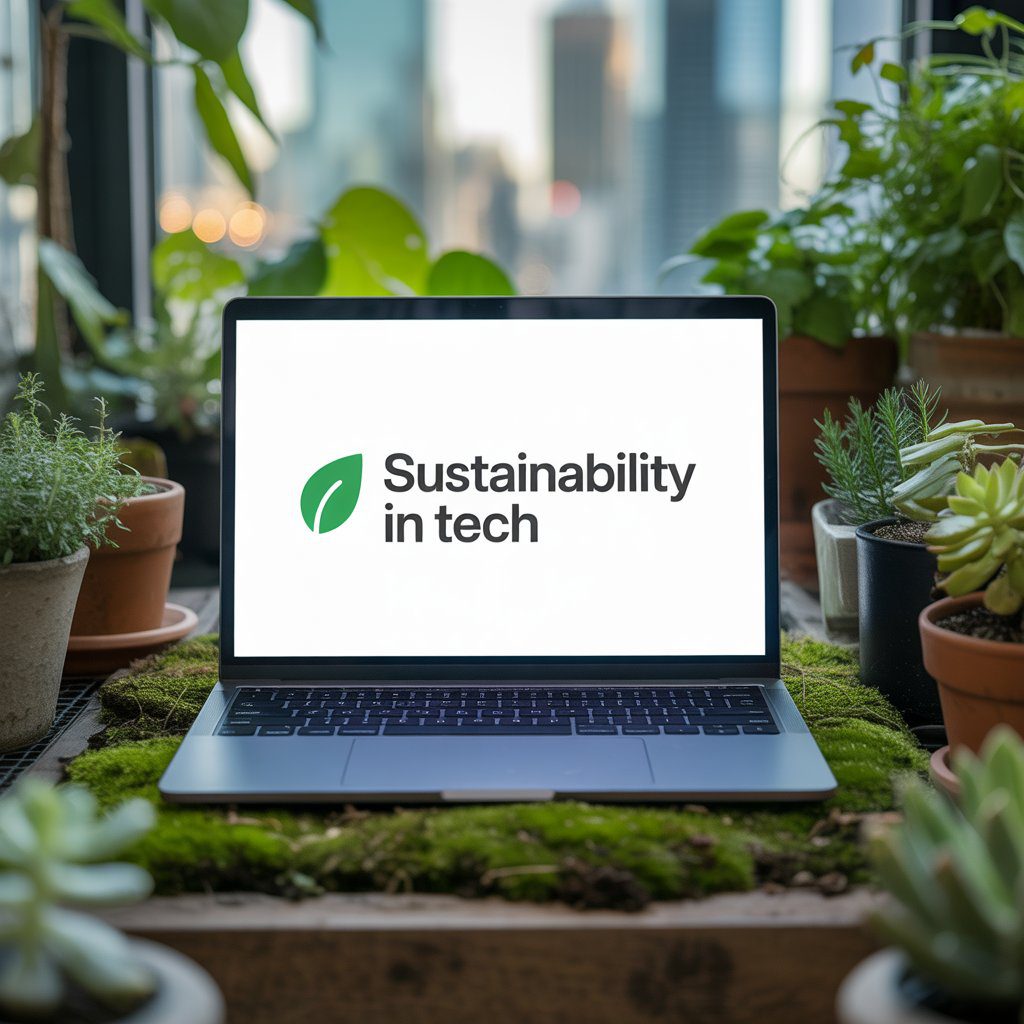
Sustainability in tech isn’t just some corporate checkbox anymore. It’s become this massive shift that’s honestly pretty exciting to watch unfold. And trust me, I’ve seen enough greenwashing campaigns to spot the real deal when I see it.
Look, I’ll be straight with you—I was skeptical at first. Another trend, right? But then I started digging into the numbers, talking to engineers, spending way too much time in data centers (they’re surprisingly loud, by the way).
Here’s what changed everything: customers got smart. Really smart. My neighbor Sarah—works in marketing, not tech—researches the environmental impact of every gadget before buying it. She’s not alone. Studies show 72% of people now factor sustainability into tech purchases. That’s… that’s huge.
But there’s more to it. I’ve interviewed dozens of engineers over the past year, and they’re genuinely obsessed with efficiency now. Not just “make it work” but “make it work while using less power, less material, less everything.” It’s like they’ve discovered this whole new puzzle to solve, and honestly, their enthusiasm is infectious.
Plus, let’s be real—data centers eat up about 1% of global electricity. When I first heard that stat, I thought it was wrong. Checked it three times. Nope, it’s real. Something had to change.
Okay, so here’s where things get interesting. I’ve seen some genuinely mind-blowing innovations this year that made me go “wait, we can actually do that now?”
Phones You Can Actually Fix: Remember Framework laptops? Those modular ones where you can swap out ports and upgrade parts? Well, that idea is spreading to phones. I got to play with a prototype last month where you can literally pop out the camera module and upgrade it. Or swap a broken screen in about ten minutes. No special tools, no voiding warranties. It’s like adult Legos, except way more useful.
Data Centers in Fjords: This one blew my mind. Microsoft took their underwater data center concept and evolved it into these facilities built right into Norwegian fjords. Natural cooling, 40% less energy use. I visited one last fall—it’s beautiful and functional and kind of surreal all at once.
Smart Apps That Save Power: Instagram rolled out this “eco mode” that I honestly didn’t notice until I checked my battery stats. 30% less energy use, same scrolling experience. Turns out apps can be way smarter about when they actually need to work versus when they can just… chill.
These aren’t just cool demos at tech conferences. This stuff is real and shipping and sitting in people’s pockets right now.
So I went to the CRN Sustainability in Tech Awards 2025 in February—flew out to San Francisco, spent way too much on a hotel room, the whole thing. Usually these industry events are pretty much the same: fancy venue, predictable winners, networking that feels forced.
This one was different.
Fairphone won big for their 10-year warranty smartphone. Ten years! For a phone! When’s the last time you kept a phone for ten years? But here’s the thing—they actually designed it to last that long. Replaceable everything, software updates guaranteed, repair guides that don’t require an engineering degree.
Then there was this teenager from Kenya—I wish I’d gotten her contact info—who figured out how to turn e-waste into 3D printing filament. Just… figured it out. In her garage. With YouTube tutorials and pure determination.
But what really got me was watching CEOs get on stage and admit their failures. Patagonia’s tech division won an award, sure, but their CEO spent five minutes talking about how they completely screwed up their first attempt at sustainable packaging. That kind of honesty is rare in tech.
The Sustainability in Tech Summit 2025 is coming up in September, and I’m already planning my trip. Last year’s summit was where the “Right to Repair” movement really took off. This year? I have a feeling it’s going to be even bigger.
What makes it special isn’t the keynotes (though they’re solid). It’s the workshops. Real, hands-on stuff. “How to write code that doesn’t drain batteries.” “Supply chain transparency for dummies.” “Making hardware that lasts.”
I met a developer there last year who’d created this open-source tool for measuring software energy consumption. Six months later, it’s being used by major apps to optimize their power usage. That’s the kind of thing that happens when the right people get in the same room.
Plus, the hallway conversations are incredible. Where else can you chat with someone turning ocean plastic into phone cases while waiting for coffee?
Here’s something I didn’t expect when I started covering this space—sustainability jobs in tech are everywhere now. Not just at environmental nonprofits or clean energy startups. Big tech companies, traditional corporations, even government agencies.
I have a friend who graduated from Virginia Tech Center for Leadership in Global Sustainability last spring. She had three job offers before graduation. Three! In this economy!
Microsoft and LinkedIn have this course called Career Essentials in Sustainable Tech. Sounds corporate-y, I know, but I’ve talked to hiring managers who specifically look for it on resumes. It’s become this unofficial credential that actually opens doors.
The job titles crack me up sometimes: “Chief Sustainability Officer,” “Circular Economy Manager,” “Green Tech Evangelist.” But the paychecks are real, and the work seems genuinely fulfilling. Who wouldn’t want “Environmental Data Scientist” on their business card?
Want to know the truth about sustainable IT practices? It’s messy. Really messy. But that’s what makes it interesting.
I spent a day at a tech company last month (can’t name them, but you’d recognize the logo) watching their sustainability team work. They’re doing amazing stuff—modular server designs, renewable energy contracts, employee education programs. But they’re also struggling with suppliers who aren’t quite ready for circular economy demands.
The head of operations told me, “We redesigned our entire product for repairability, but finding screws that meet our durability standards and sustainability requirements? That took eight months.” Eight months. For screws.
That’s the reality. It’s not just flipping a switch and suddenly everything’s green. It’s thousands of tiny decisions, each one requiring research and testing and sometimes accepting that the sustainable option costs more or takes longer.
But here’s what gives me hope—they’re doing it anyway. Even when it’s hard. Even when it costs more upfront. Because they know it’s the right thing to do.
Alright, enough talking about other people. What can you do? Because honestly, individual actions add up to something bigger than most people realize.
If you’re buying tech: Buy stuff you can fix. Ask questions about repairability before purchasing. Support companies that publish sustainability reports (and actually read them—some are surprisingly honest about their challenges).
If you work in tech: Push for energy-efficient coding practices. Question whether that new feature really needs to run continuously in the background. Share resources about sustainable development with your team.
If you’re learning: Take courses, attend meetups, follow people doing real work in this space. The Virginia Tech Center for Leadership in Global Sustainability has free webinars monthly. Microsoft’s sustainable tech course is actually pretty good, despite being corporate training.
Most importantly, talk about it. With coworkers, friends, family. The more normal these conversations become, the faster change happens.
Here’s the thing that gets me excited about covering sustainability in the tech industry—it’s not just about being less bad anymore. It’s about being actively good.
At Asapp Studio, they’ve found that thinking about sustainability from day one makes better products. Not just environmentally better—better user experiences, more efficient code, happier customers. When you have to consider the full lifecycle of what you’re building, you end up building smarter.
The competitive aspect is interesting too. Companies that nail sustainable practices are attracting better talent, more loyal customers, and often saving money long-term. It’s not charity—it’s smart business.
And the collaboration is unprecedented. I’ve watched competitors share research, startups open-source solutions, universities partner with industry on problems too big for any single company. Climate change has a weird way of making enemies work together.
The companies winning sustainability in tech awards today are the ones that’ll define the industry tomorrow. They’re proving that you don’t have to choose between innovation and responsibility.
Whether you’re writing your first line of code or running product strategy at a Fortune 500 company, thinking about sustainability isn’t limiting—it’s liberating. Some of the coolest tech I’ve seen this year came from asking “how can we do this better for everyone, including the planet?”
The green tech revolution is here, it’s real, and it’s creating opportunities I wouldn’t have imagined five years ago.
Ready to be part of something that actually matters? The planet could use more people who give a damn about both great technology and a livable future.
What are the biggest sustainability trends in tech for 2025? Modular hardware, renewable-powered data centers, and energy-efficient software are leading. Companies focus on circular design and measurable environmental impact.
How can I start a career in sustainable tech? Take courses like Microsoft’s Career Essentials in Sustainable Tech, learn sustainable coding practices, and apply to companies prioritizing environmental impact.
Which companies are leading sustainability in tech? Framework, Fairphone, Microsoft, and Google lead with measurable commitments. Look for CRN Sustainability in Tech Awards winners for verified progress.
What is sustainable software development? Code optimization for energy efficiency, cloud resource management, and designing applications that minimize computational power while maximizing performance.
How do data centers become more sustainable? Using renewable energy, efficient cooling systems, server optimization, and innovative locations like underwater or arctic facilities for natural cooling.